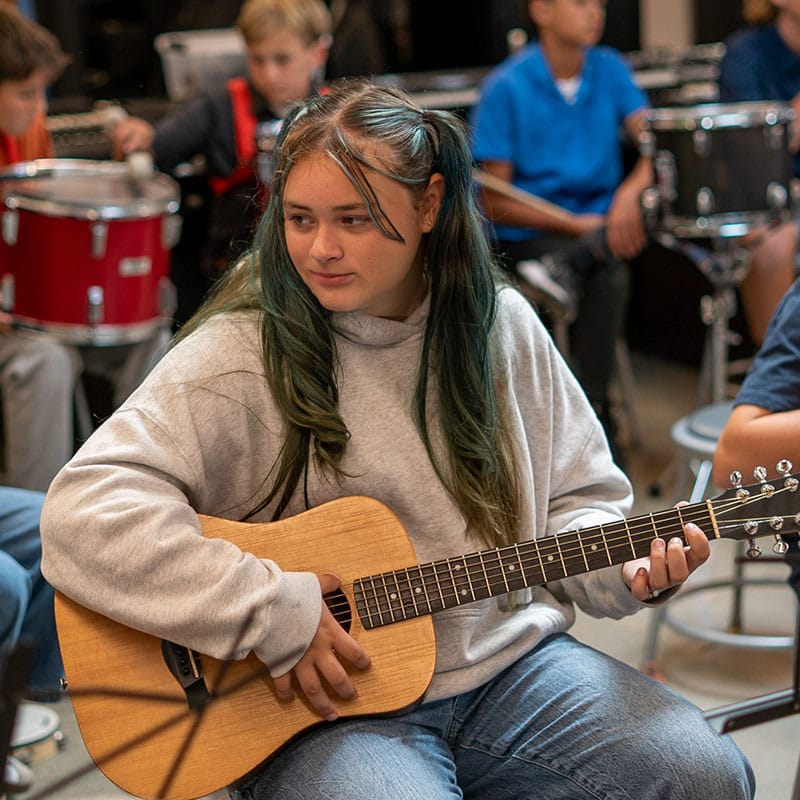
Over the past decade I’ve attended 11 schools across the United States and Japan. I was born in San Diego, then my family moved to Yokohama, Japan when I was seven years old. My love for learning began in Japanese elementary school, where first graders walk to school independently. Every day felt like a new adventure filled with purpose. I joined the school band as a percussionist, savored delicious school lunches, and took part in a music festival. But when I returned to San Diego for middle school, I encountered slow-paced, disengaging classrooms that left me frustrated.
In the fall of 2019, I entered seventh grade at a small performing arts charter school. The academic pace lagged far behind what I was used to, and many classmates seemed checked out, treating school as a place to socialize rather than to learn. In the spring, COVID-19 hit and everything went online, which exacerbated my frustrations. Around the same time, our house flooded, forcing my family into nine months of hotels and Airbnbs while repairs were made. Navigating adolescence in quarantine—waking up only to sit in front of a laptop listening to teachers lecture a grid of black screens—left me disillusioned and numb.
A turning point came a few months into this monotony when I discovered two podcasts—Unlocking Us and Dare to Lead—both hosted by researcher and author Brené Brown. I was fascinated by Brown’s ability to give language to amorphous emotions steeped in grounded theory research. Those conversations with scholars, authors, and thought leaders became my gateway to a broader intellectual world—one that traditional academics had not revealed to me. With my curiosity reignited, I felt like there was a new challenge on the horizon. School remained dull, but now I had a parallel education: reading Brown’s books, exploring new disciplines, and seeing how they eloquently parsed complex ideas to get to the crux of an argument. I felt like Alice stepping into the looking glass; I had glimpsed a new world that was calling to me.
By the end of eighth grade, I had practically given up on school. So when faced with the choice of staying at my school or transferring to High Tech High Mesa, I chose the latter, mainly because the commute would be easier for my parents; I assumed the academics there would be no better than my previous schools. But what I underestimated was how project-based learning—and the educators it attracted—would completely transform my sense of what my future could hold.
With everyone still masked up and practicing social distancing, I entered my ninth grade fine arts class not expecting much. But in that first encounter with my teacher, D. Smith, I could tell this was no ordinary class. We dove straight into a lesson on color theory. His unmatched charisma, witty humor, and jaw-dropping anecdotes from a decade of teaching made me feel like I was stepping into a Picasso painting—unsettling at first, but once you saw the idiosyncrasy as a whole, it was just plain captivating. Then, just as I thought I’d met the best teacher I’d ever have, I walked next door and was greeted by my humanities teacher, Matt Darling. In that first week we talked about unceded territory, community values, and glimpsed our first project.
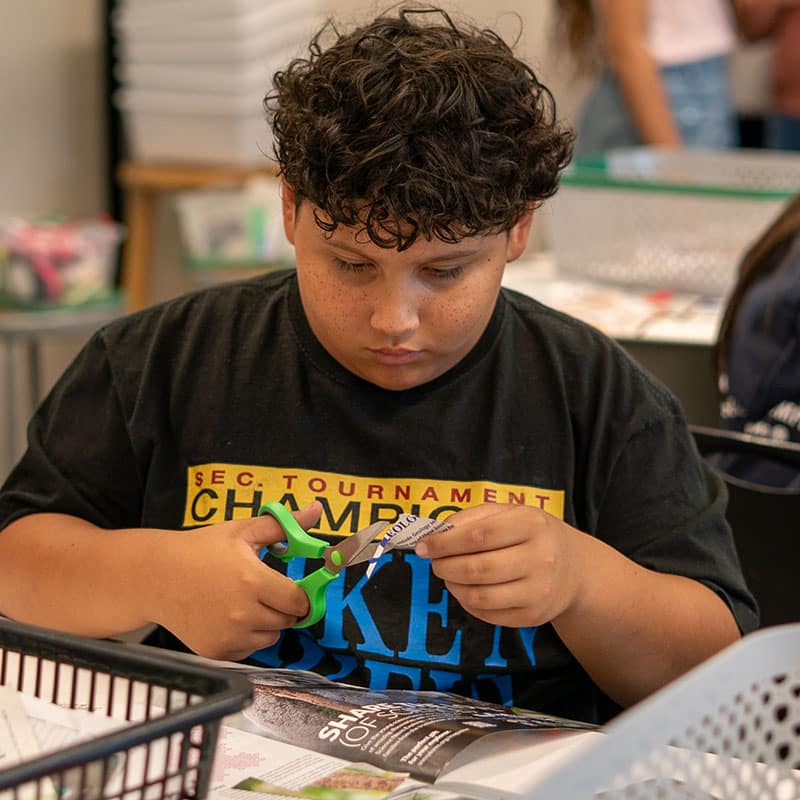
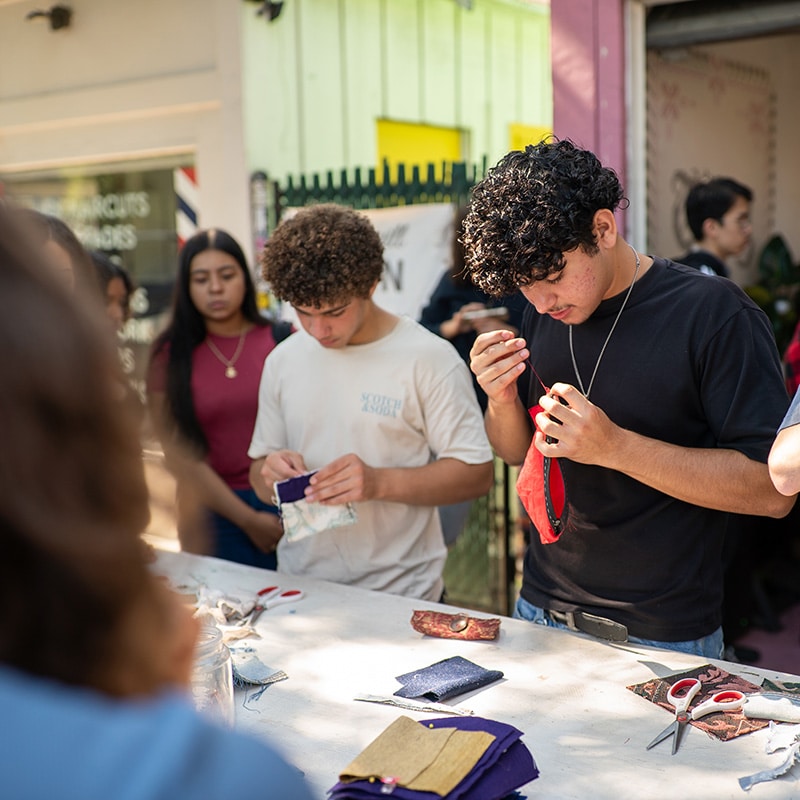
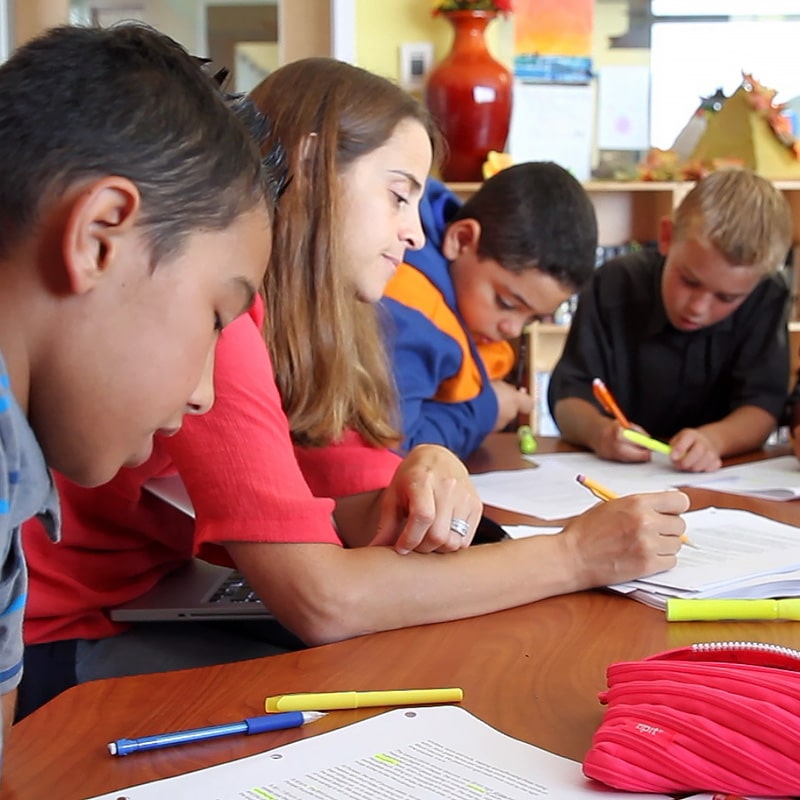
D.’s and Matt’s classes were distinct and brilliant in their own ways. But when the bifold partition separating their classrooms was retracted and all 60 students had eyes on them both, an unparalleled chemistry was sparked. They bounced ideas off each other, changed plans in a heartbeat when something made more sense, and magically turned chaos into collaboration. Our first project, Uncommon Message, blended art, design, and historical analysis as we created screenprinted T-shirts and sculptures that celebrated marginalized heroes, culminating in a public pop-up market. But the greatest transformation was internal—I finally believed again that school could be something extraordinary. This experience sparked a deep interest in understanding what makes learning meaningful, leading me to become both inquisitive and at times rebellious as I sought to identify the intangible qualities that create truly engaging educational experiences.
It was apparent through their actions that D. and Matt genuinely cared for each and every one of us and wanted all of us to succeed. Every classroom decision they made was in service of that greater goal. Not only did they love their work, but they honed their craft akin to how a swordsman might sharpen his blade—with integrity, honor, and passion. It seemed like they were born to teach, and for us students, seeing them take their work so seriously motivated us to reciprocate the effort and do the same.
Our collective efforts culminated in a singular exhibition that D. and Matt masterfully facilitated, but it was us students who carried it across the finish line. Seeing the fruits of our labor and learning on display for our community helped me finally believe that school could be something more than what I had previously experienced. This moment would be the catalyst for the rest of my high school trajectory in advancing what education could be.
From then on I became obsessed with one question: What would it take to bring the magic that I experienced with D. and Matt into every classroom? In just the second semester of ninth grade, after our classes had changed, I was disappointed to find that not every project was automatically golden. It took time for me to rethink my expectations and reframe my frustration as an opportunity to revise the assumptions I’d made. I realized that simply operating in a project-based learning school didn’t guarantee a rockstar project. I hypothesized there were underlying conditions, intangible qualities, that impact the student experience.
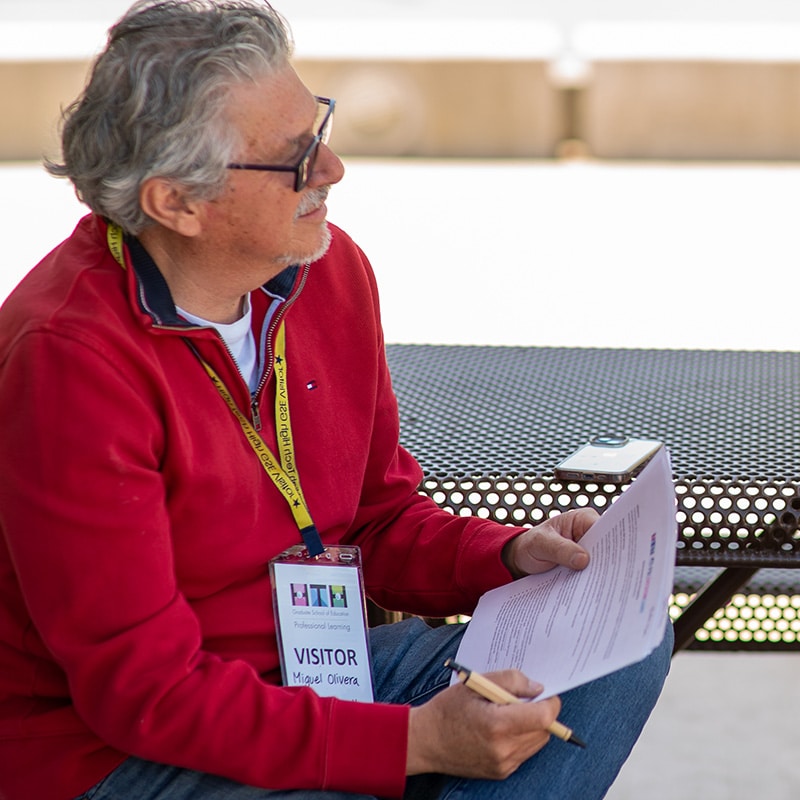
This newfound passion for educational change left me hungry for frameworks that could help me make sense of what I was observing. But as my freshman year ended, I felt lost despite my growing identity as a changemaker. Through a series of fortunate connections, I found myself as the lone high schooler at an Introductory Workshop to Compassionate Systems in Ventura, California, co-facilitated by Mette Böll and Peter Senge. Suddenly, I was surrounded by educational administrators decades older than me—people whose full-time job was to think about impactful change efforts. Despite the age difference, I felt right at home, diving into discussions about systemic shortcomings and weighing solutions during every free moment. This wasn’t just a thought experiment; I was finally meeting people who could actually reshape the system I was living in.
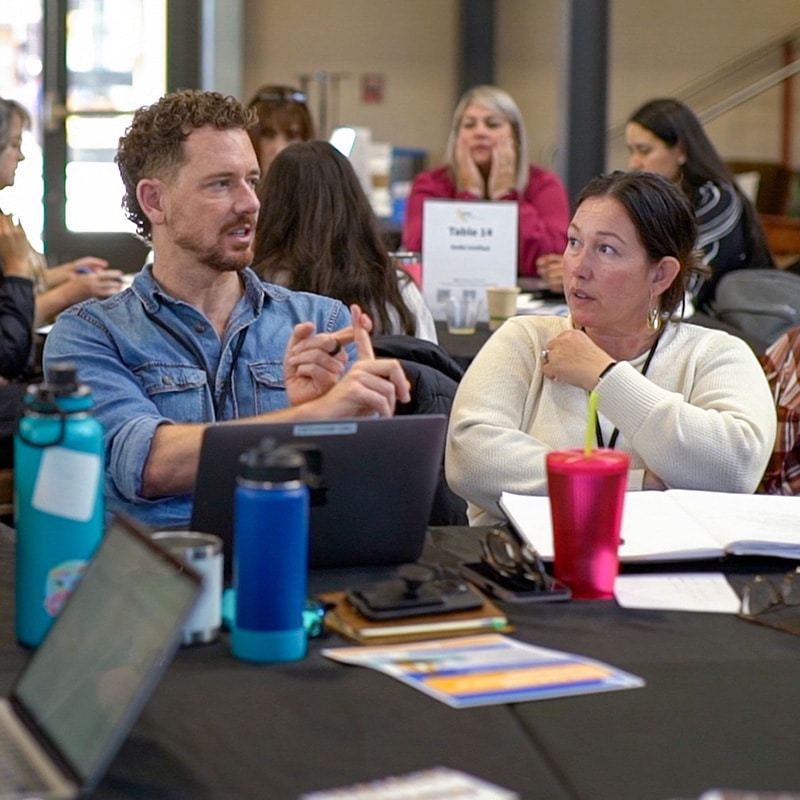
The workshop introduced me to tools like the Mandala for Systems Change and the Iceberg Model, providing the analytical framework I’d been craving. More importantly, I discovered this was part of a growing global movement, and learned about their newly formed Youth Council. I applied, got in, and soon found myself connecting with peers from cities I couldn’t even point to on a map. All of us shared the same curiosity, compassion, and recognition that school wasn’t equipping us for life. After a year as a participant, I was invited to join the Youth Leadership Team as a co-creator, and simultaneously enrolled in Cohort 5 of their Master Practitioner program. A week-long in-person retreat in Garrison, New York, with 40 educators from dozens of nationalities, felt like a profound miracle after connecting virtually all year. Working with the Center for Systems Awareness became my first real job and it taught me so much about myself as I juggled multiple projects, navigated team dynamics across three time zones, and even co-facilitated a breakout session at the Systems Awareness Lab Conference at MIT.
In trying to understand what made a learning experience transformative, I disrupted practices that felt stagnant and wasn’t afraid to voice my opinions. At times, my sentiment came off as brash and might have rubbed some people the wrong way, but I figured out how to strike a balance between advocating for what could be and acknowledging what is. I learned to stop blaming people for their actions and recognize that decisions that might have felt like a personal choice were often guided by an invisible hand dictated by the larger system.
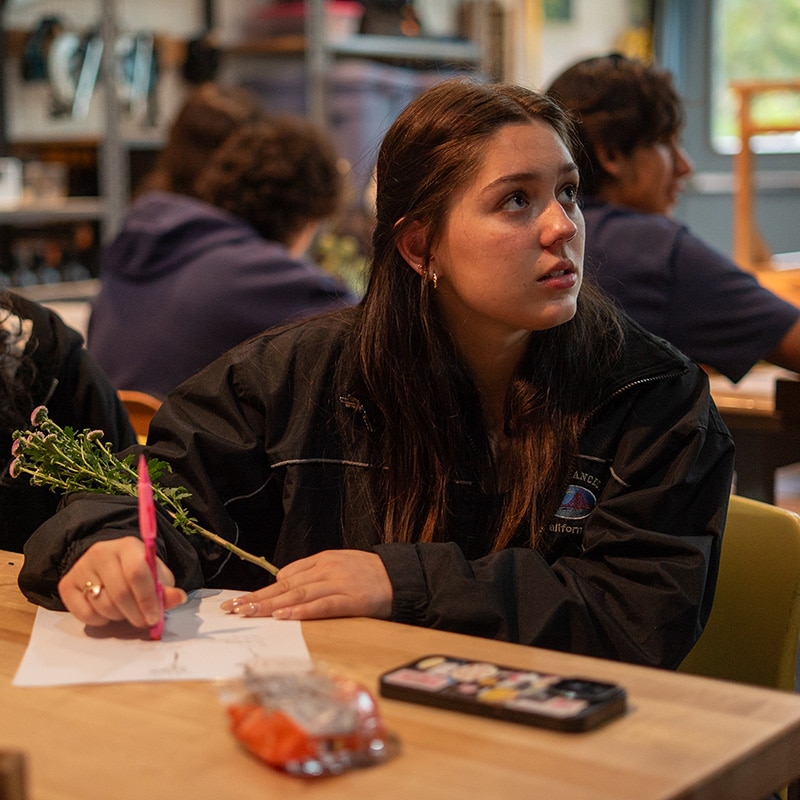
With each new project and each new teacher, I expanded the range of information I pulled from to inform my vision of what a classroom should look like. In tenth grade math we designed and launched rockets and built a bamboo fort from scratch. In humanities I directed a modified version of The Crucible, a play about the Salem witch trials, as we drew parallels to McCarthyism, political propaganda, and modern media. And in a project that combined science and humanities, every student wrote a research paper on an environmental topic—I chose sustainable architecture—and we published an anthology of our pieces that became purchasable on Amazon.
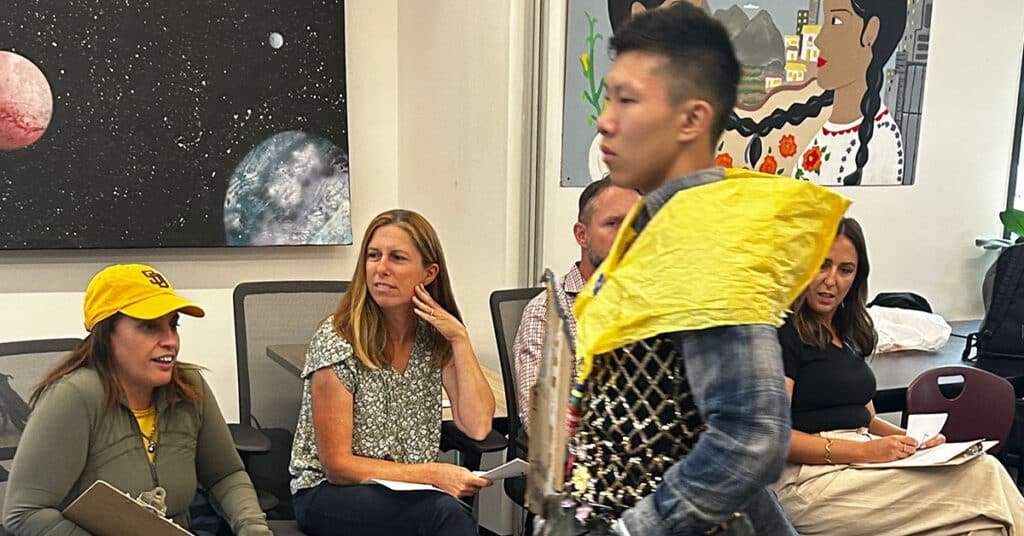
In my junior year, we examined 100 years of American history through the lens of fashion, organizing a fashion show for the entire school. From the Chicano and Civil Rights movements to 1970s disco and third wave feminism, we explored how each of these groups represented their beliefs, ideologies, and spirit through what they wore. In a different class we partnered with Illumina, a biotech company, to run DNA extraction experiments, tour their campus, and film a mini-documentary about our class. In another project, we organized a fundraiser for the oncology department at our local children’s hospital as we learned about the science and politics surrounding cancer. We heard firsthand stories from a survivor, a bone marrow donor, and from associations like the DMV organ donor program and the Gift of Life bone marrow registry.
Over the course of four years I went on countless field trips and collaborated with dozens of community partners. Notably, we took multiple trips to the San Diego Zoo and San Diego Safari Park to learn about conservation efforts for white rhinos and endangered frog species. In a project titled Lithium Valley, we learned about the deteriorating environmental conditions at the Salton Sea and the lithium deposits in the region, and considered stakeholder perspectives from all sides—the lithium extraction companies, local citizens, politicians, environmental advocates, and native tribes. We used evidence from online research and onsite fieldwork to make informed decisions about what policies and actions would be best for everyone.
During the last few weeks of eleventh grade, we had our month-long internship program. Matt Darling, who by then had moved to the Bay Area to become a high school administrator at Summit Prep, became my mentor. I worked alongside him to understand his role in operating a school, and I facilitated an end-of-year professional development for Summit Prep’s faculty. I learned how to use coding, spreadsheets, and automation to develop a script for their graduation ceremony slideshow, along with other administrative tools.
When senior year rolled around, everyone’s focus was on college applications, and with the guidance of our exceptional college counselor Chris White, I wrote personal essays about my experiences at HTHM and my involvement in educational change. After getting accepted into Stanford University, I decided to commit there, trusting that the peers and faculty I meet will challenge and inspire me in ways that I’ll be hard pressed to find elsewhere.
In middle school, I assumed I wouldn’t bother going to college. Now I’m at Stanford. While it might be convenient to attribute this accomplishment to my own actions, I recognize that so many of our wins (and failures) are not ours alone. I have had the privilege of being raised in two cultures, had the chance to attend high school on the forefront of innovative learning, and meet people who advocated for me. This is how I got to where I am. I now owe it to the people who have believed in me to leap at opportunities to create things that will positively impact not just me or my circle, but will lead to better outcomes for communities all across the world.
A pattern throughout my life is that I have always swum just past the frontier of what I can do: After I aced the academic game, I wanted to understand what it takes to be a teacher; after that, how to orchestrate the whole school; and each time I grew comfortable in one pond, I dove head first into a bigger one. I imagine that I will continue to do the same in the next chapter of my life. I am anchored in my vision to live in a world where the systems around us help people lead fulfilling and successful lives—in the ways each of us define them. That last part is essential. Too often, people are conditioned to work for the promise of a better life ahead, only to look back and wonder if they ever lived the life they wanted. I want to flip that script. For me, it’s about setting bold goals, stepping into the world to pursue them, returning to my vision, and pushing forward again. If I keep repeating that cycle—stretching beyond what feels possible, learning from the process, and building systems that lift others along the way—I know I’ll not only reach my destination, but also create something that makes the whole journey worthwhile.
The education I have received can’t be summed up in a single transcript or a meticulously crafted résumé. The paradoxical truth about striving for a better education is that there is no such thing as the perfect class, the perfect school, or the perfect pedagogical model. Yet by continuously redefining our goals to reflect our evolving values and priorities, we are able to take steps in the right direction. None of the projects, internships, or events I have been involved in went exactly according to plan. But that fact never undercut the potential of an experience to be enriching and transformative. Thus, the real conversations that should be had are what we, as a community and a society, truly value about the education that the next generation will receive. I am grateful that over the past 12 years, I was able to engage with so many schools, because now I can tease apart and stitch back together those different ideals to decide for myself the life I want to lead. Perhaps the catalyst of change doesn’t start from extensive multi-year plans or numeric reports, but rather from asking ourselves a single, simple question: What kind of life do we want our children to lead?