SEARCH

Print Issue: Issue 29

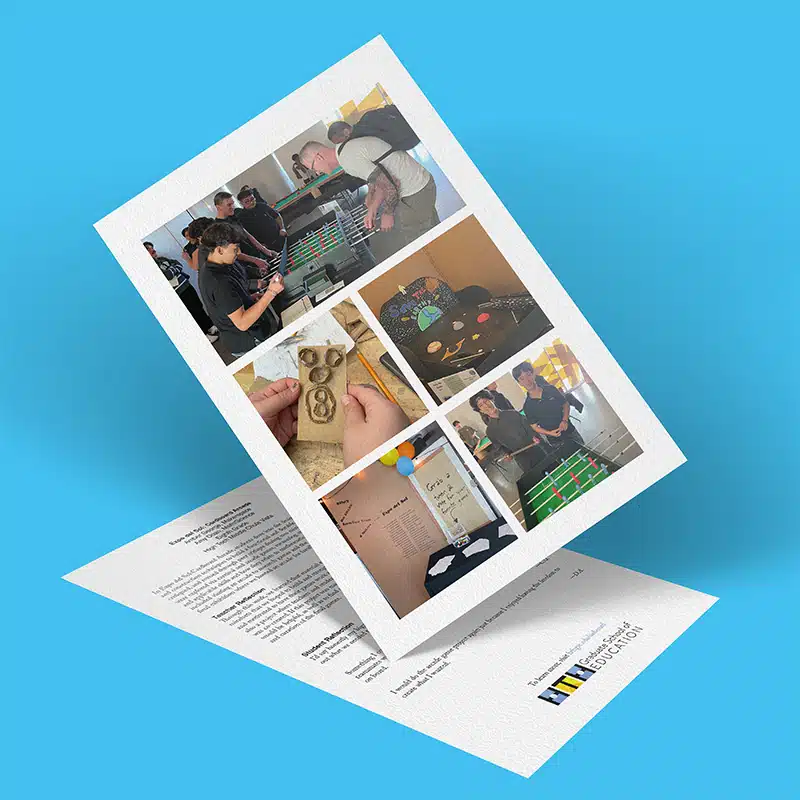
Students dove into the design process, iteration cycles, and construction techniques to build a functional and durable arcade game.
This issue is all about listening to students, learning from data, and recognizing that what students tell you is data! It kicks off with an article by a recent high school graduate reflecting on the highs and lows of his education, and features articles about running improvement networks, how to conduct effective empathy interviews, and strategies for sharing data with educators. It's also got an awesome strategies for assessment, peer critique, time management, essential questions, and teaching reading in early grades! And it ends with a magical project in Denmark, and a math teacher's reflections on his journey away from, and back to, PBL.
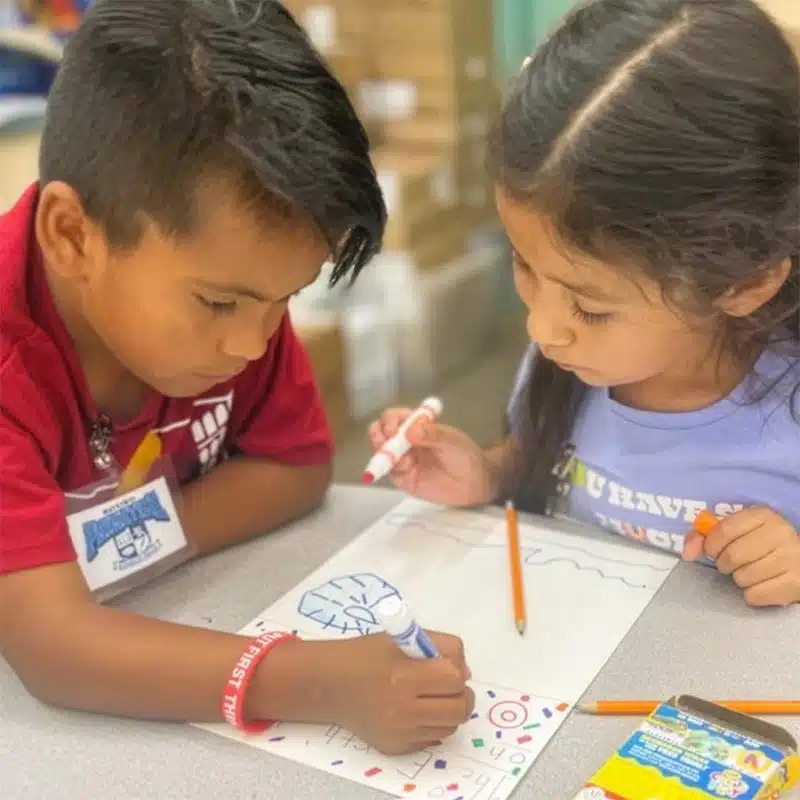
The connection between a lack of reading proficiency and low-income background is well-established. And while the barriers are real, this is a solvable problem—not simple, but solvable.
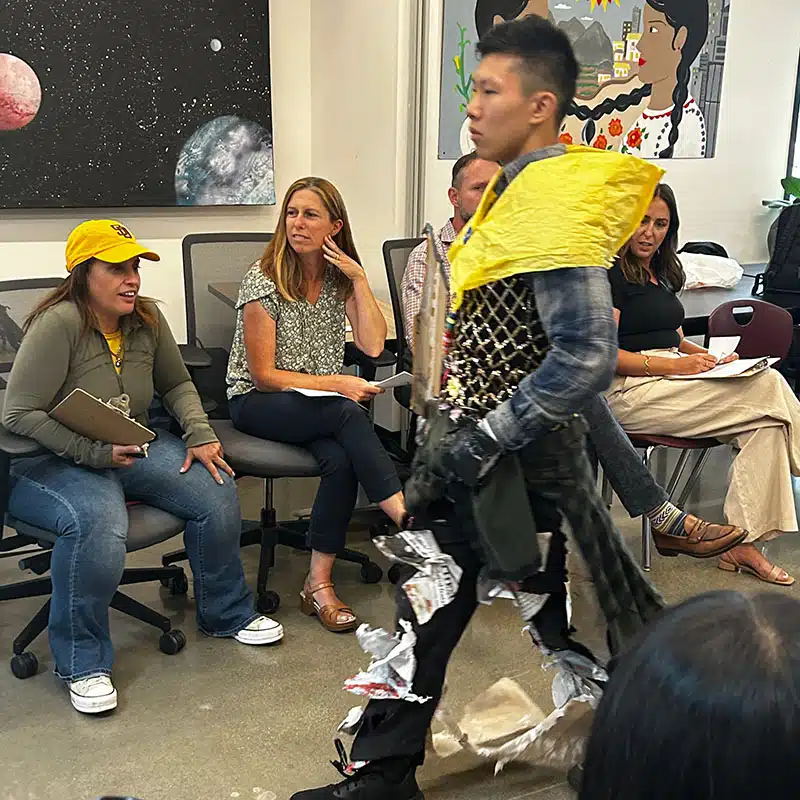
Over the past decade I’ve attended 11 schools across the United States and Japan. I was born in San Diego, then my family moved to Yokohama, Japan when I was seven years old.
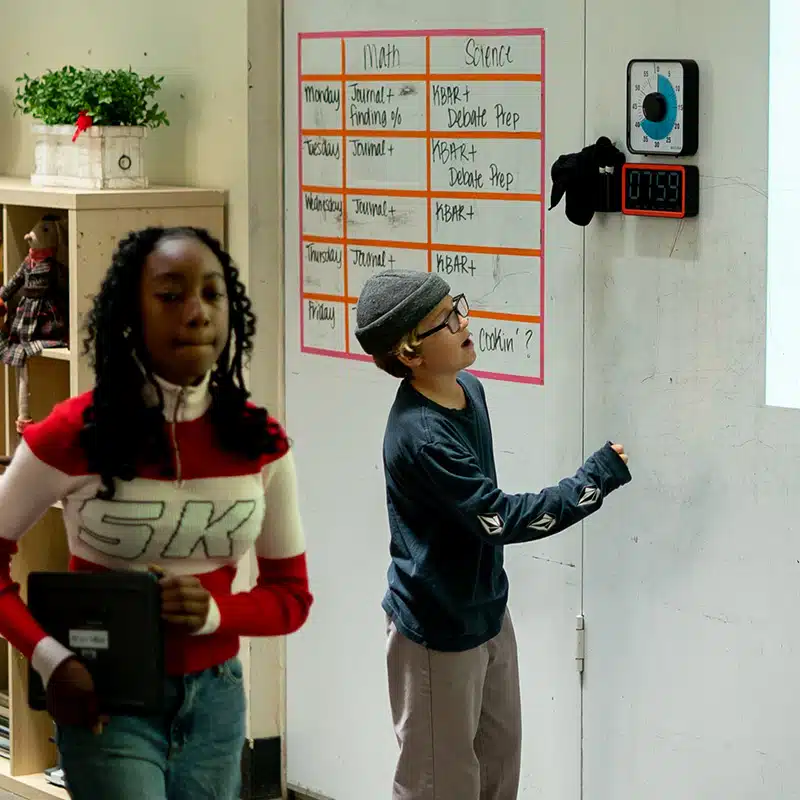
It started with a simple idea: to bring a 60-minute visual countdown clock into my class. What began as a classroom management tool turned into something bigger—a small shift that made the room more predictable, accessible, and humane for every learner.
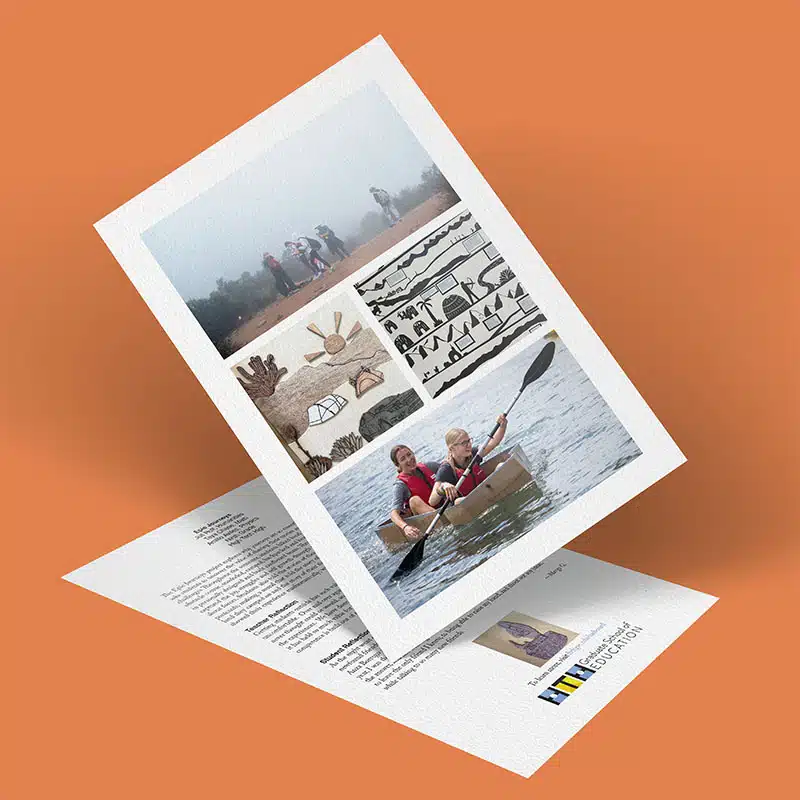
Through guided adventures, students captured the joy, struggles and self growth through writing, collecting data, and learning about forces.
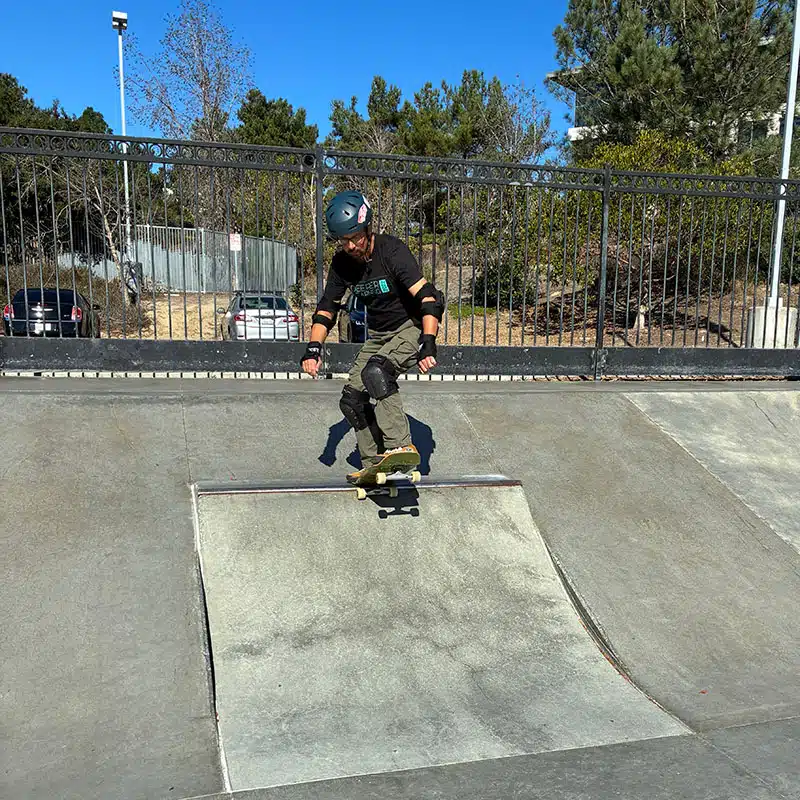
Last month I took a skateboarding lesson.
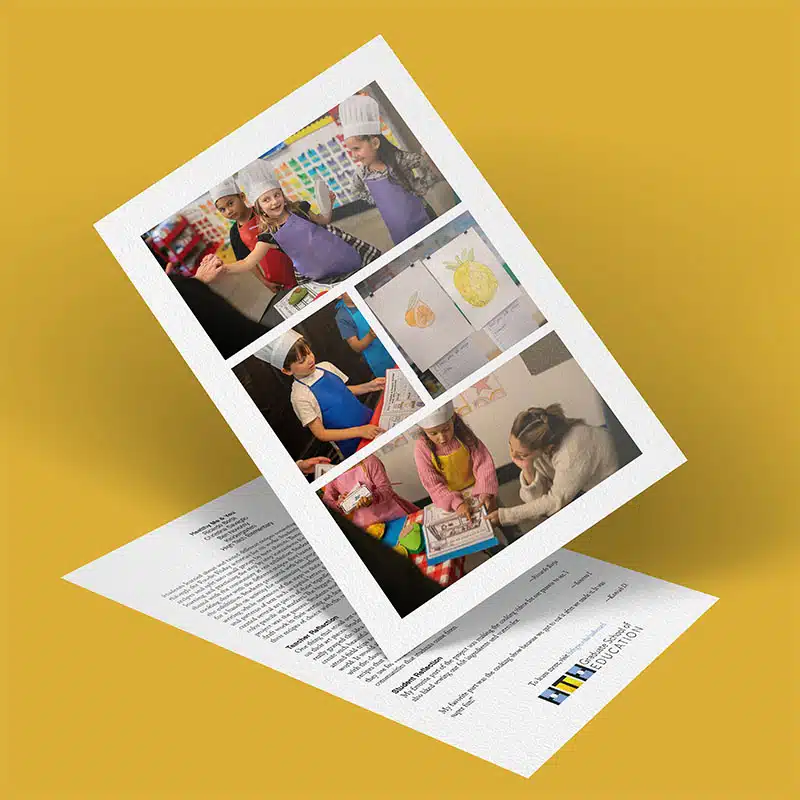
Students explored different foods and tastes to create recipes of their own cooking shows that were displayed at their exhibition night.
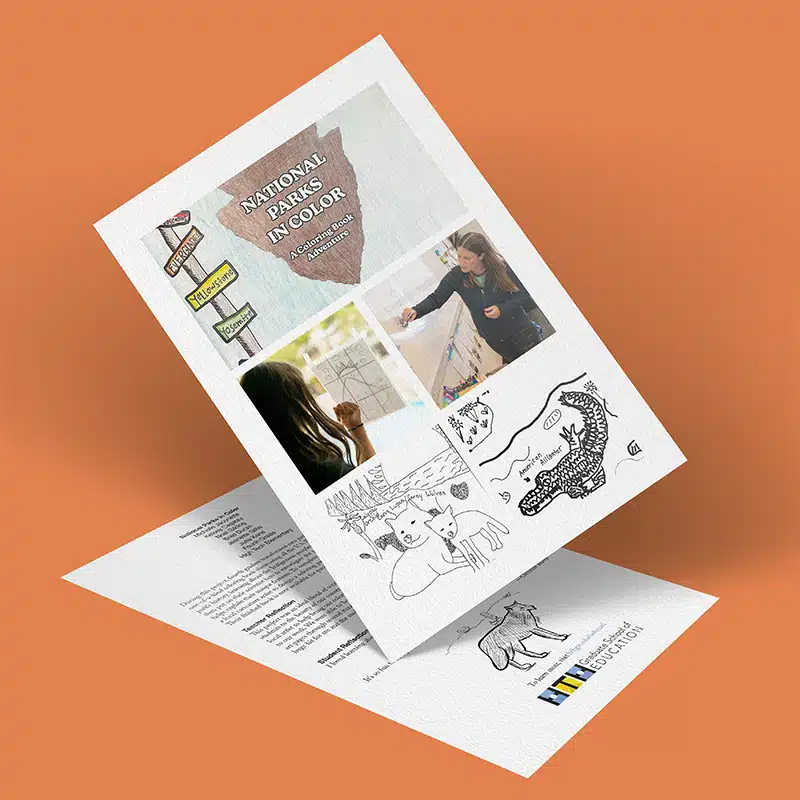
Fourth graders transformed into junior park rangers by creating a one-of-a-kind coloring book showcasing all the U.S. National Parks.
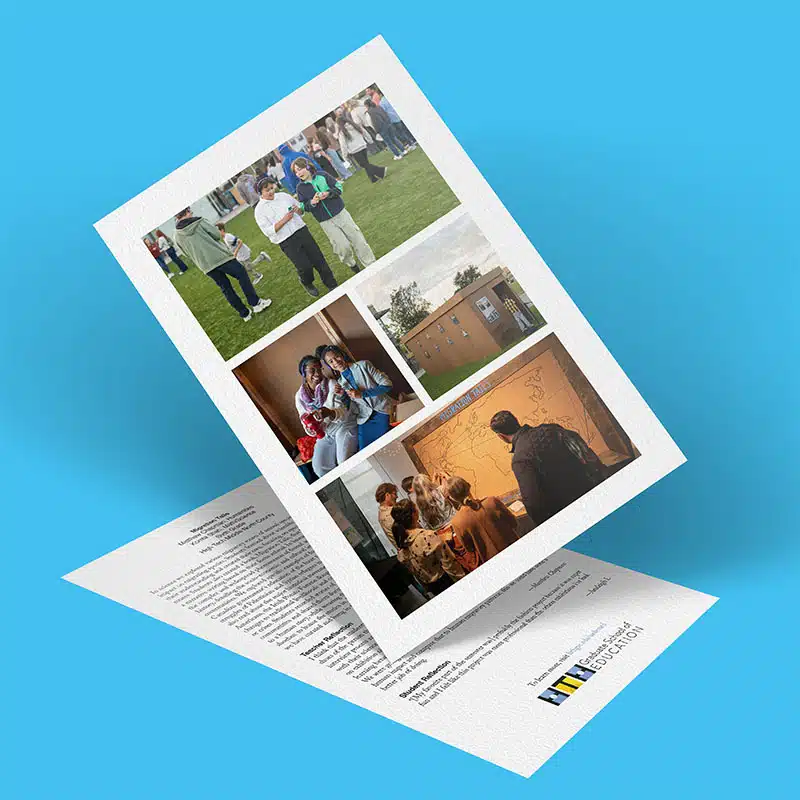
Students recorded migration stories from members of their own families and communities and shared them during a “Walk A Mile” exhibition
Skip to content