VANESA MURIETA
Initially, for our student led conferences, we would have it as like a one-to-one model where the kiddo would come with their adults, um, and then we would also be in the room supporting them. And what we noticed was there was just a lot of pressure to have one child lead multiple adults. So, something that we wanted to shift when we did SLC’s this time around was giving them the opportunity and space in a safe way to kind of share their learning where it’s not just like all eyes on them.
MADISON MURILLO
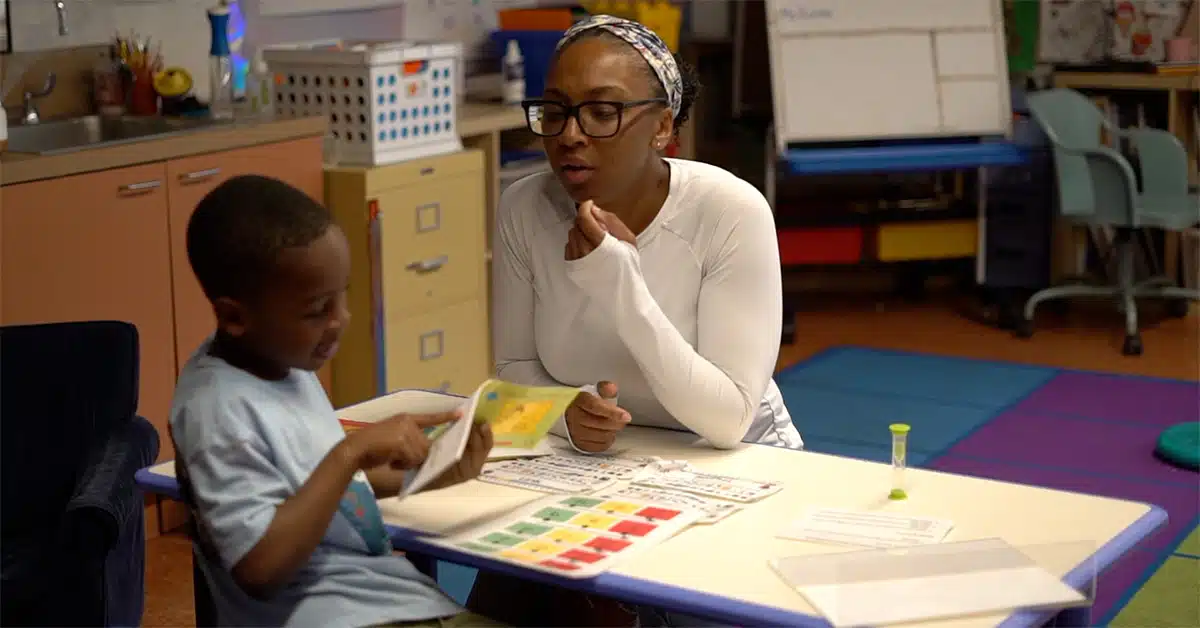
We always make sure that they are very comfortable and confident with the content, but we also wanted to make sure that they were going to be comfortable with the structure since the structure is new. We created a social story for them. Um the social story kind of runs through like this is my job at SLCs. These are the stations that I go to. Like when I’m on a station, I start the timer, I show my work. I rotate to a station that doesn’t have another family at it. Each day we would dig deeper into one station of student led conferences as a whole group activity and also with partner activities so they can really dig deep into the content of each station so they were able to practice with a small group or independently some of that content as well. We both have fourth grade buddies. So with our older grade buddies, we had the practice throughout the week. And then we also send messaging to parents. We send them before the week. We send them the social story that we’ve gone over with the students. We also send them
VANESA
Probing questions. Yes. That can you’re welcome. That can kind of that uses the same language that we use in the classroom that the students are familiar with and it kind of sparks that, oh wait, I do know this. Let me teach you how I applied this to my learning. And then we also said sent out report cards right before SLCs with the messaging of please use the weekend to review the report card and if any questions or wonderings come up, it can happen in person during our SLCs. So at each rotation station, there is a space where they can share their skills in reading and there are three different activities they can do there. The second station is a math station and there it’s more of showcasing the language and the math vocabulary vocabulary and the math thinking that goes into it.
MADISON
And we combined writing and project because our project so far we’ve done quite a bit of writing. And then our last learning station was their self-reflection SEL station. So we have a a little self-reflection about how they feel like they’ve been doing in class like being a good friend, being an active listener, making exact choices. Very last station is the teacher table where the parents can come to us with any questions that they might have on the progress report they already saw. And we give them a couple of more assessments and like guide them through those assessments to help them understand their kids learning. There was like a couple of parents who already saw some of the learning and then they came to me and they’re like, “Oh, this progress report score and like what you wrote down about this on this progress report like makes sense. I just saw it happen.”
VANESA
And I think it also met the need that was missing from our first round of SLCs was that we were running out of time name. And they didn’t give a lot of time for the teachers and parents to connect, which is I think a big value that we’ve held in our school to work together in community, um and make sure that things are fluid between school and home. And the main hope that we hope that teachers learn from this is that if you see a need that is not servicing your kids even in like this big thing of like SLCs, it is don’t be afraid to switch your structure even if it’s like mid-yard because we found our kiddos felt so celebrated. They felt very proud and the work was really authentic. And we kind of got that on the family end as well.