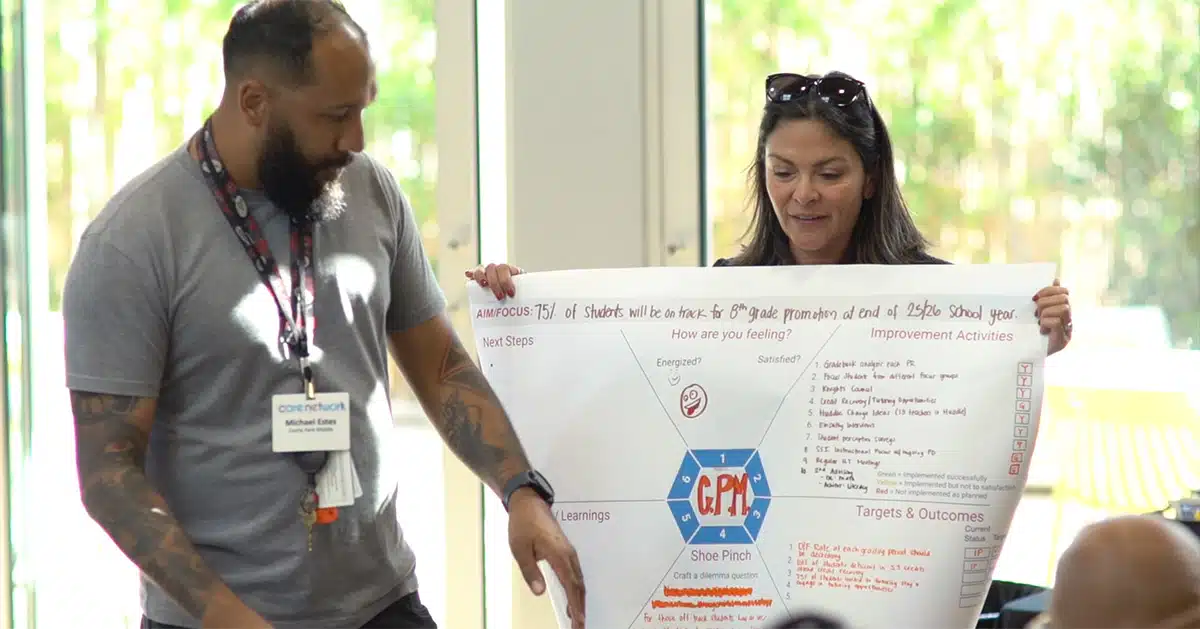
When teams are working on improvement, it can be hard to slow down, see the whole picture and make sense of what’s actually moving the work forward. That’s where the insect diagram comes in. An insect diagram is a simple but powerful visual tool that helps teams articulate clear outcomes, track progress, reflect honestly and get coaching or back to move forward. It creates a shared record of what you’ve tried, what you’re learning and where you’re getting stuck. In his book, how to succeed with continuous improvement, while Keem Alstrom compares improvement work to orienteering, you’re often navigating unfamiliar terrain, using a map and compass to move between checkpoints. To reach your destination, orienteers regularly pause to ask three questions. Where am I? Where am I going and how am I going to get there?
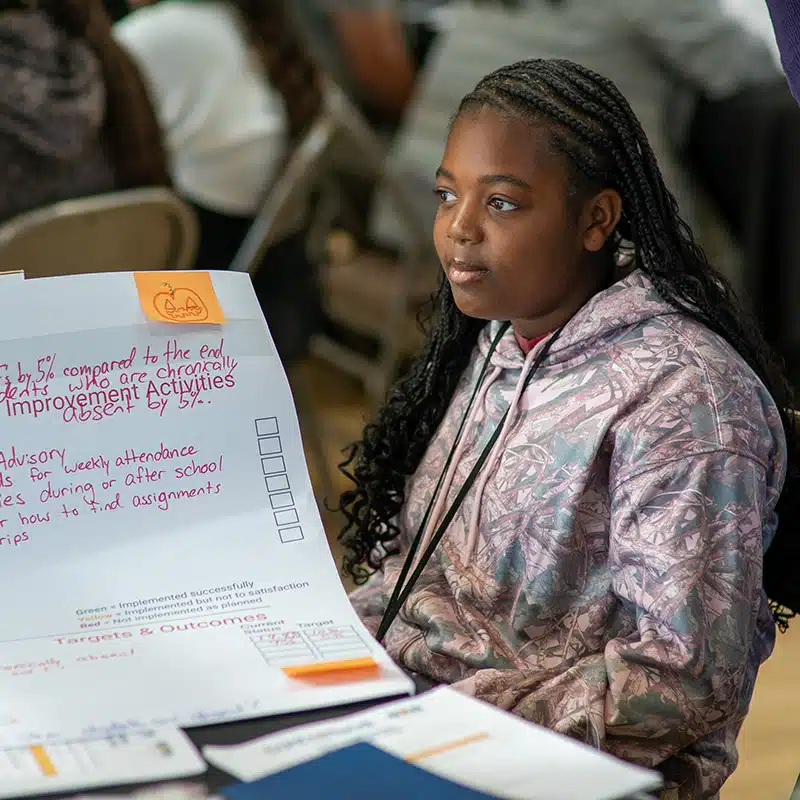
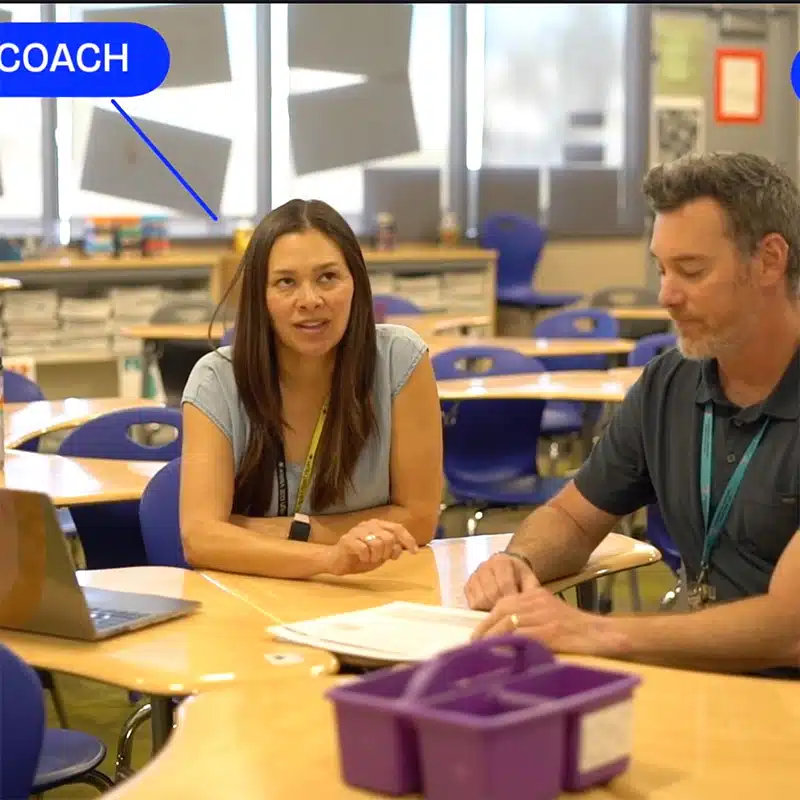
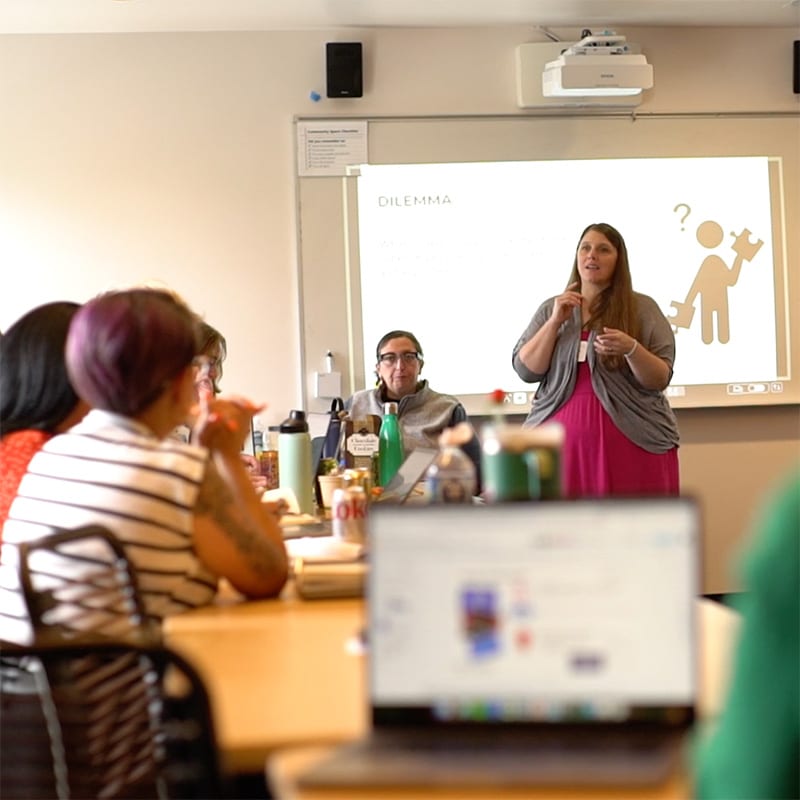
Insect diagrams based on and adapted from Alstrom’s book are designed to help teams ask and answer those same questions in their improvement work. Let’s walk through what an insect diagram is and how to use it. First, teams prepare their insect diagram. At the top, teams write their project aim, what you want to accomplish, by when and for whom. Then you fill in section one through five. You start with feelings, team members quickly check in. Are you having fun? And are you satisfied? Feelings are important information. Reflecting on them helps us surface team morale and energy. Next, are improvements. The specific actions you’ve taken to reach your aim. You color code them to show what worked, what partially worked and what didn’t go as planned. This helps teams focus on learning, not just success. In outcomes and targets, you clarify how you’ll know you’re improving. Teams name their measures, their targets and their current reality. Then comes the shoe pinch, the heart of the diagram that shows where your team may feel stuck or challenged. This is where you name a real dilemma. A problem you can’t solve alone. And that, if better understood, would move your work forward. Finally, insights capture what you’re learning along the way about the problem you are addressing or from the actions you’ve taken. Once teams have completed their diagram, they follow a protocol where teams share their insect diagrams and get feedback to move work forward. Teams briefly present their diagram, focusing on the shoe pinch. Critical friends and leaders supporting the work respond with celebrations, questions and ideas in that order. At the end, presenters reflect and capture their next step. Over time, insect diagrams become more than a protocol. They become a routine for reflection, a tool for coaching and a shared language for improvement. Helping teams learn their way forward together. You can find this protocol on the National Coalition website.