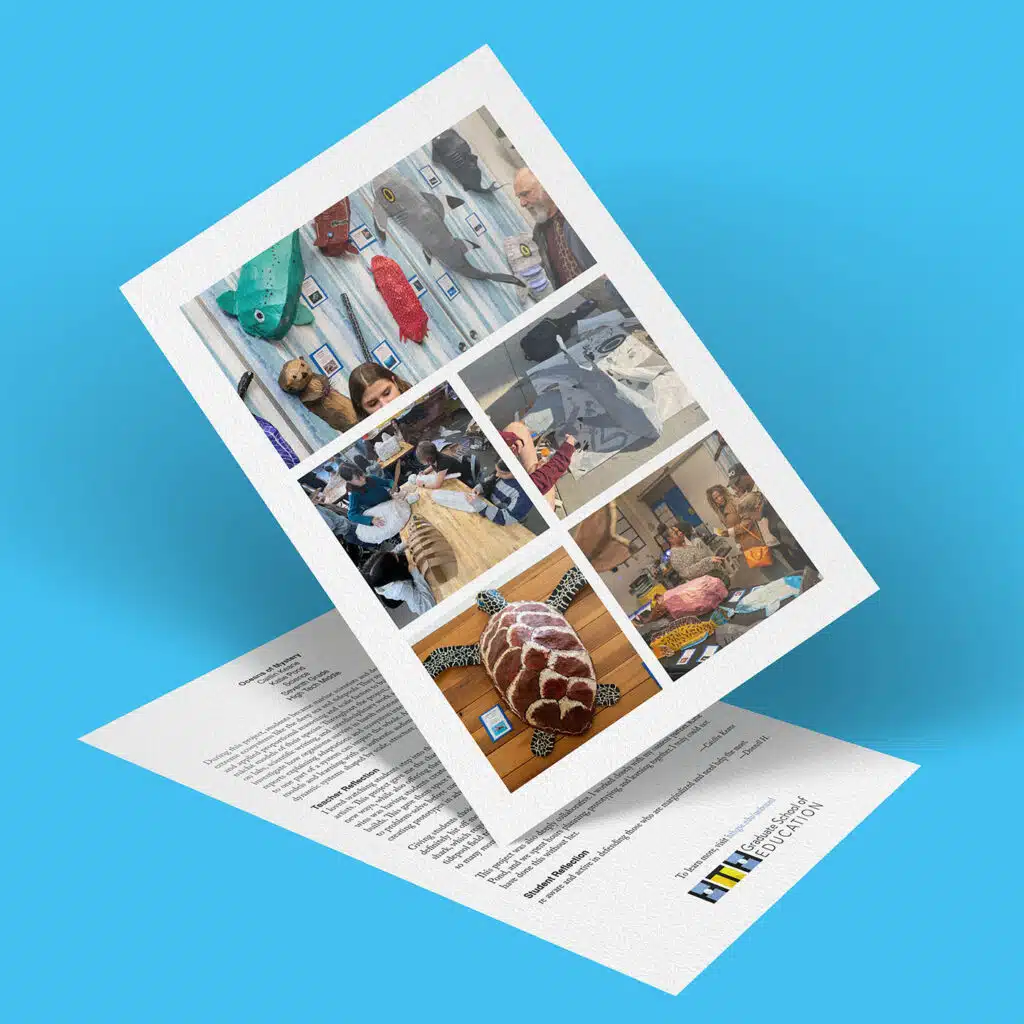
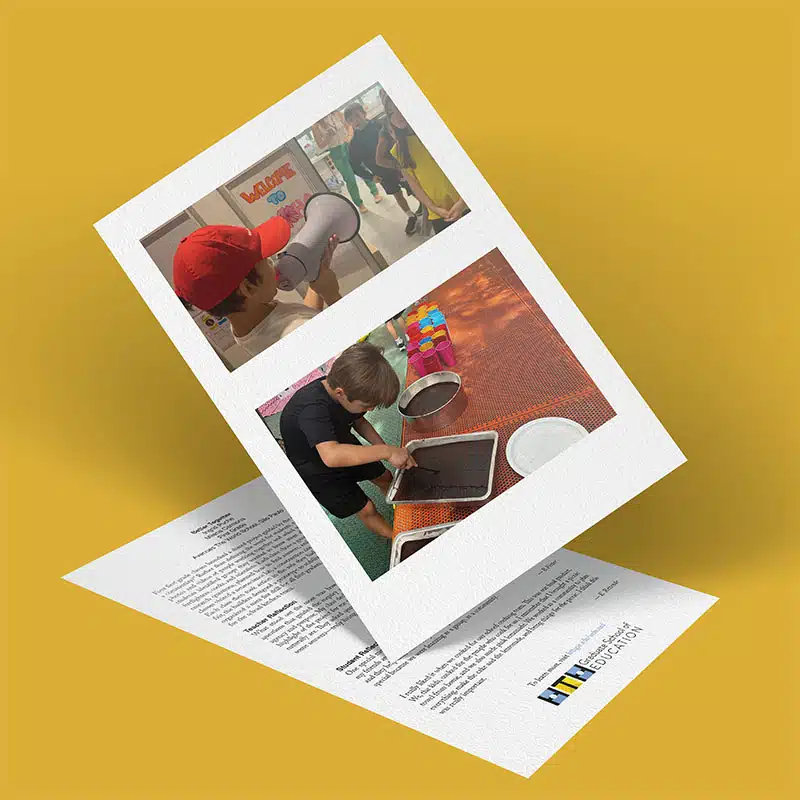
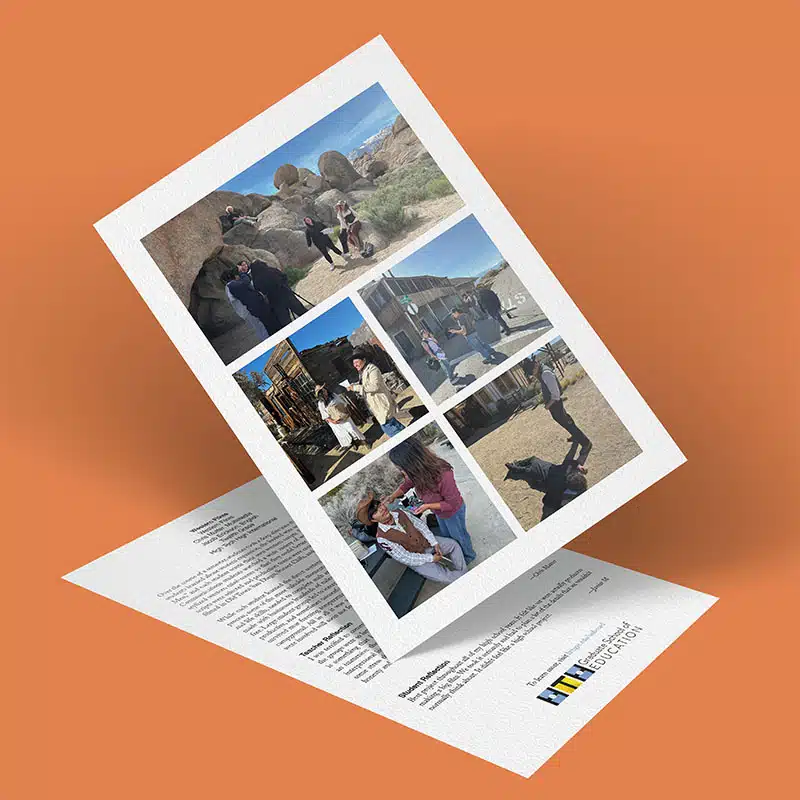
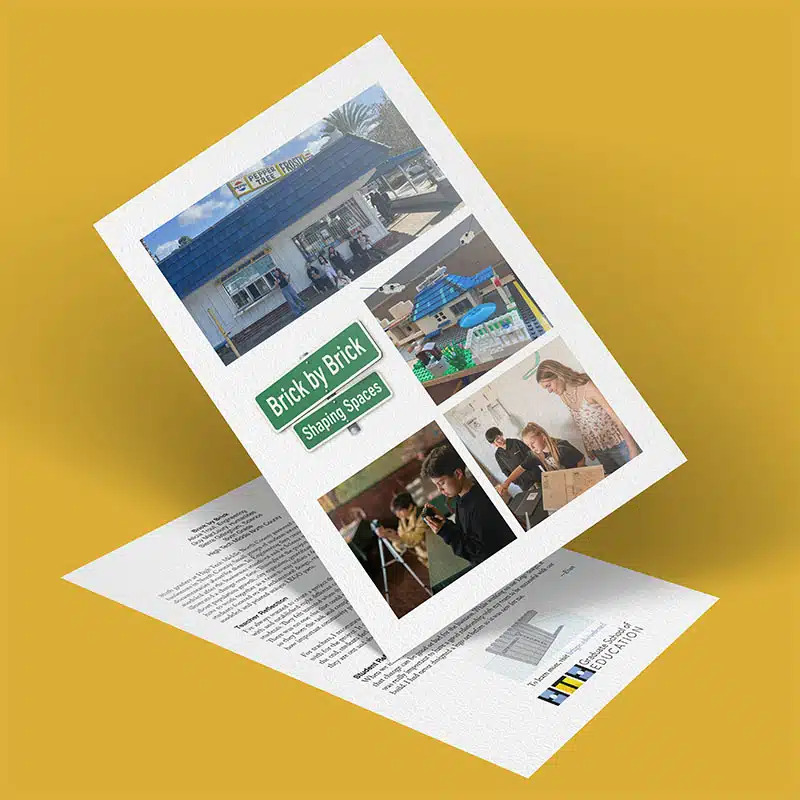
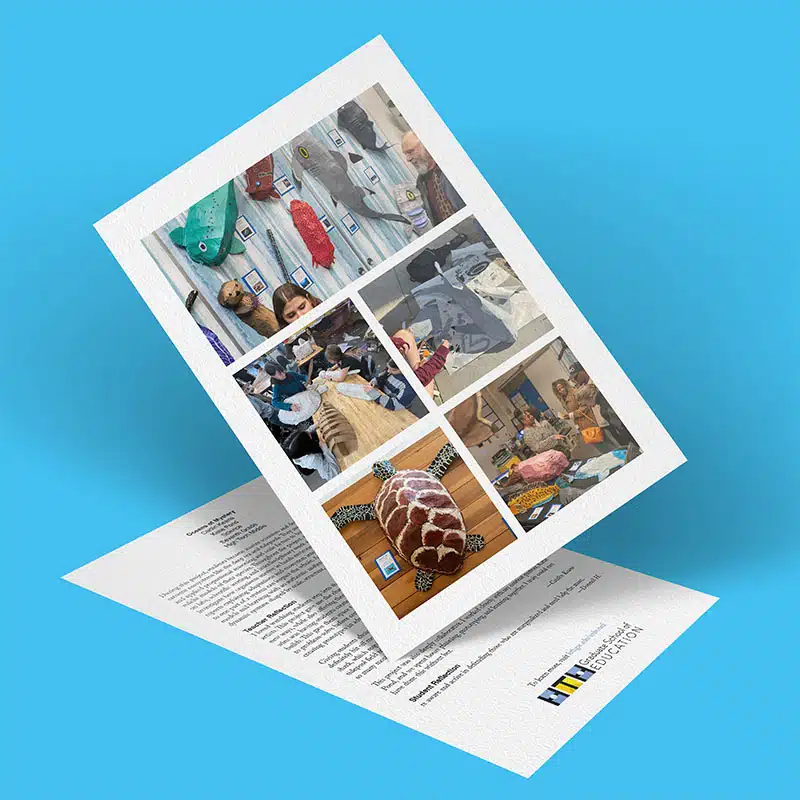
During this project, students became marine scientists and designers as they explored extreme ecosystems like the deep sea and tide pools. They researched unusual organisms and applied proportional reasoning and scale factors to build accurate, scaled papier-mâché models of their species. Throughout the project, students engaged in hands-on labs, scientific writing, and interdisciplinary work across math, science, and art to investigate how organisms survive in harsh environments. They also wrote scientific reports explaining adaptations and ecosystem interactions while examining how changes to one part of a system can impact the whole. At our exhibition, students shared their models and learning with an authentic audience, helping others understand ecosystems as dynamic systems shaped by scale, structure, and interactions.
I loved watching students step into the role of marine scientists, mathematicians, and artists. This project gave me the chance to see my students’ strengths and challenges in new ways, while also offering them meaningful choices in their work. One of the biggest wins was having students create smaller prototype models before jumping into their final builds. This gave them space to test what was doable, what was challenging, and how to problem-solve before committing to a larger scale. Modeling this process myself by creating prototypes in advance was also incredibly helpful.
Giving students choice in their final organism led to high engagement, though a few definitely bit off more than they could chew. One group even created a 13-foot goblin shark, which required some extra time after school to complete. Between that, the tide pool field trip to La Jolla Shores, and the squid dissection early in the unit, there were so many moments that sparked curiosity and excitement.
This project was also deeply collaborative. I worked closely with my content partner, Katie Pond, and we spent hours planning, prototyping, and learning together. I truly could not have done this without her.
If I were to do this again, I would build in more structured opportunities for critique and revision, especially during the modeling phase. I would also set clearer size parameters and guide students toward organisms with more manageable shapes. Overall, this project reinforced the power of combining fieldwork, creativity, and real-world application.