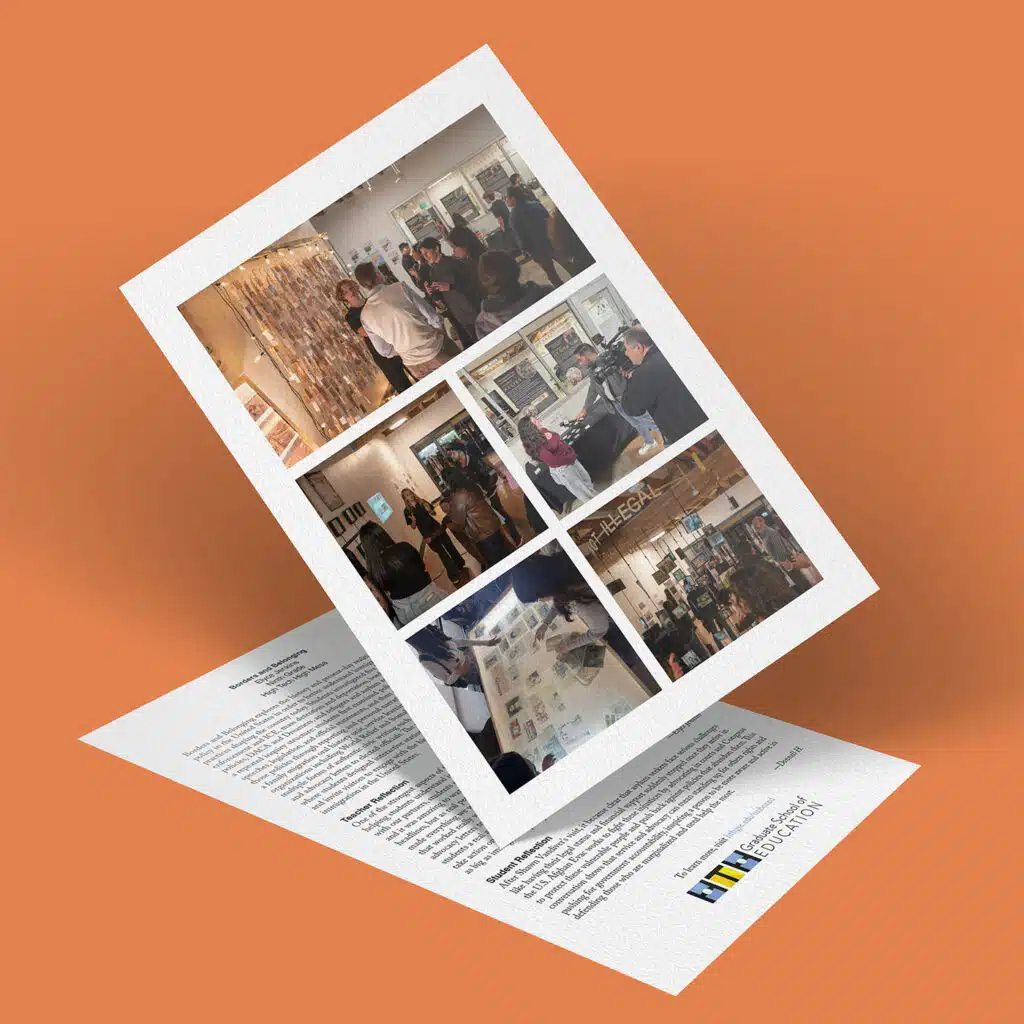
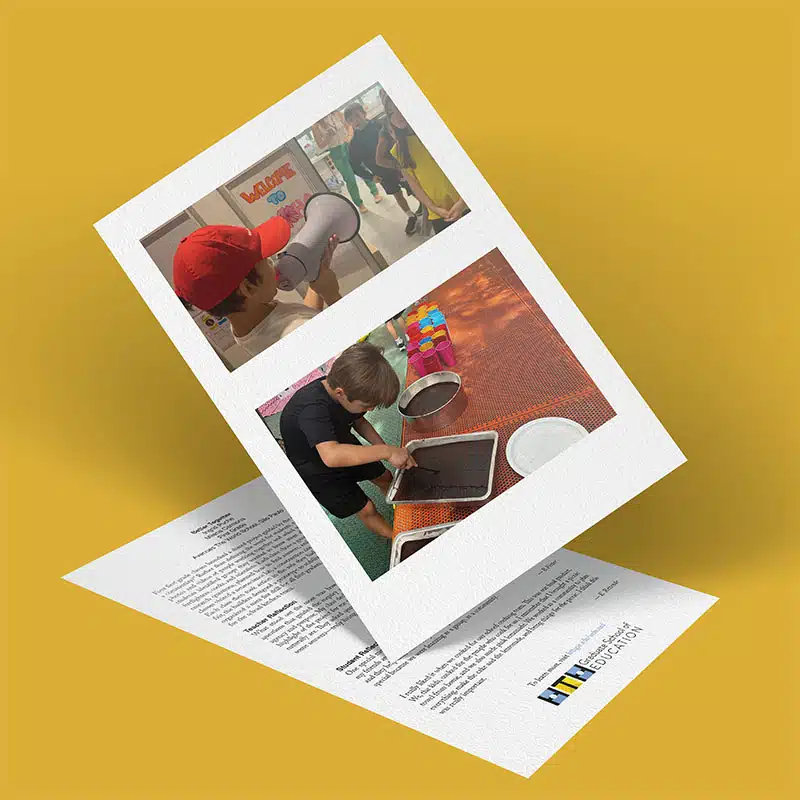
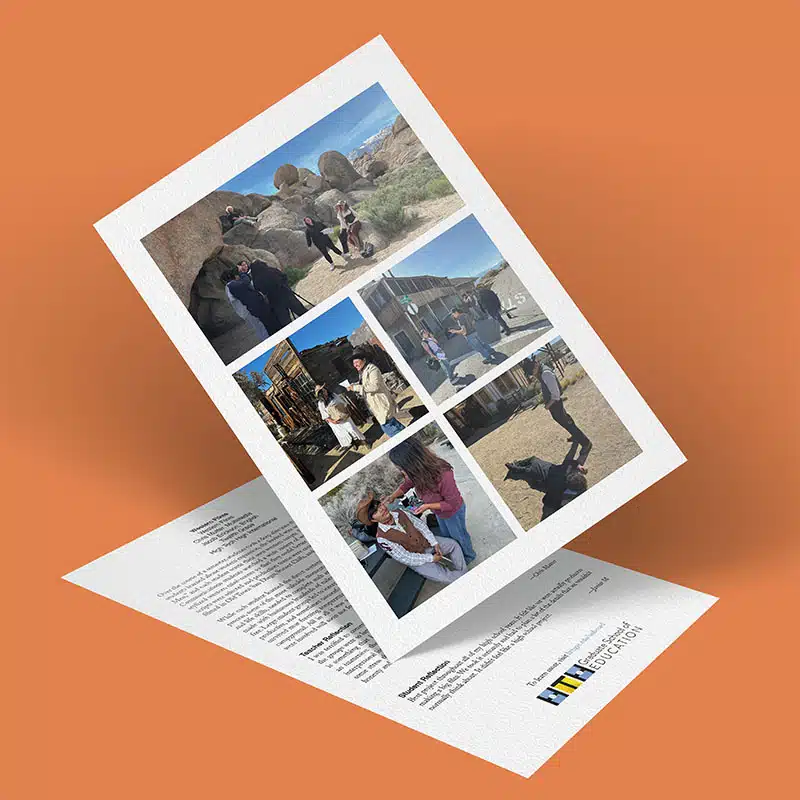
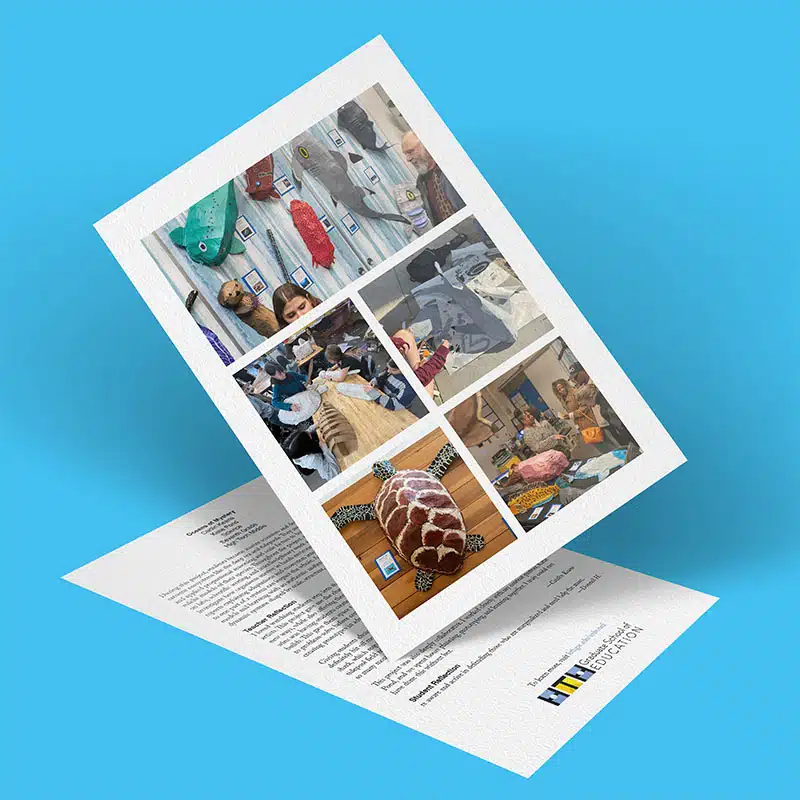
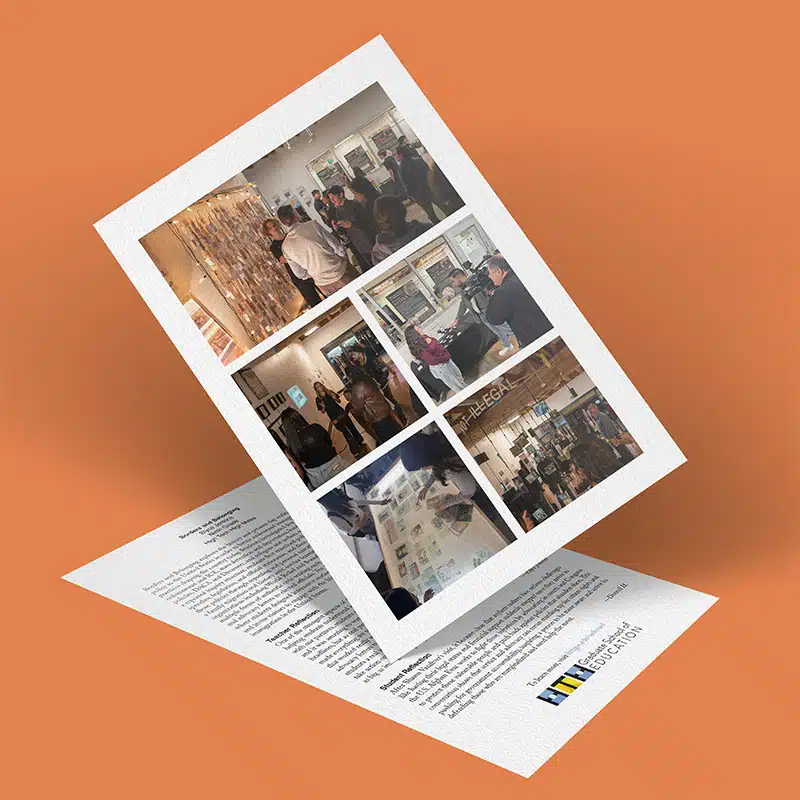
Borders and Belonging explores the history and present-day realities of immigration policy in the United States in order to better understand immigration enforcement practices shaping the country today. Students investigated five key topics: immigration enforcement and ICE, mass detention and deportation, border crossing and deterrence policies, DACA and Dreamers, and refugees and asylum seekers. Each topic followed a repeated inquiry structure: students first examined policy intentions by analyzing speeches, legislation, and official statements, and then explored the human impact of those policies through reporting and personal narratives. The project also included a family migration oral history unit, service learning with local immigrant support organizations including World Relief and Somali Bantu Association of America, and multiple forms of authentic civic writing such as letters to the editor, grant support letters, and advocacy letters to elected officials. The project culminated in a public exhibition where students designed interactive stations to share their learning with the community and invite visitors to engage with the history, policies, and human stories at the center of immigration in the United States.
Teacher Reflection
One of the strongest aspects of this project was the role of community partnerships in helping students understand immigration as a human experience. Through their work with our partners, students spent time in ESL classes and helping with food distribution, and it was amazing to watch them see immigrants not just as subjects of policy or headlines, but as real people with stories, struggles, and strengths. That human connection made everything we were studying in class feel urgent and meaningful. Another thing that worked really well was the focus on civic engagement. Writing letters to the editor, advocacy letters to elected officials, and grant support letters for our partners gave students a real audience and purpose for their work. They had the tools and confidence to take action on issues they care about, instead of feeling helpless in the face of something as big as immigration policy.
—Elyce Jenkins
Student Reflection
After Shawn Vandiver’s visit, it became clear that asylum seekers face serious challenges like having their legal status and financial support suddenly stopped once they arrive in the U.S. Afghan Evac works to fight these injustices by advocating in courts and Congress to protect these vulnerable people and push back against policies that abandon them. This conversation shows that service and advocacy can mean standing up for others rights and pushing for government accountability, inspiring a person to be more aware and active in defending those who are marginalized and need help the most.