SEARCH

Tag: Deeper Learning

Deeper learning and continuous improvement are answers to different halves of the same question. The future of schooling, and the future of our communities, depends on our willingness to reintegrate things we have allowed to drift apart
Edwards Deming, a founder of continuous improvement methods, once brutally summarized the field of education as “miracle goals and no methods.” Having spent the past 30 years trying to spread deeper learning to more students more often, I recognize myself in this sentence.
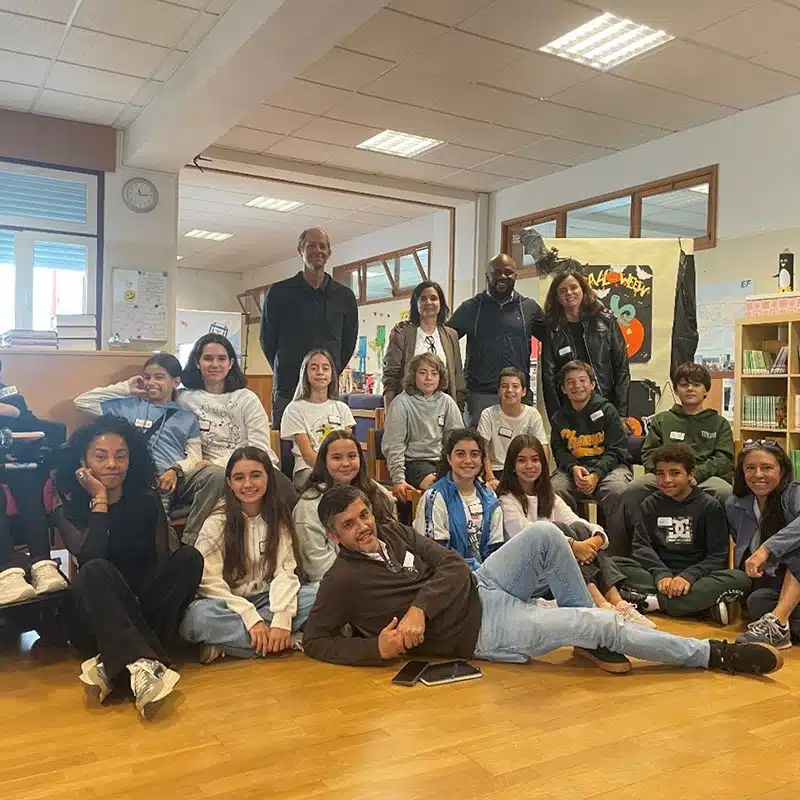
The author describes what has led a school district in Portugal to redesign themselves, and why the staff are doing it in partnership with the students.
When I started teaching, I kept hearing things like, “You’ll want to make sure you set classroom norms in the first week.”
The connection between a lack of reading proficiency and low-income background is well-established. And while the barriers are real, this is a solvable problem—not simple, but solvable.
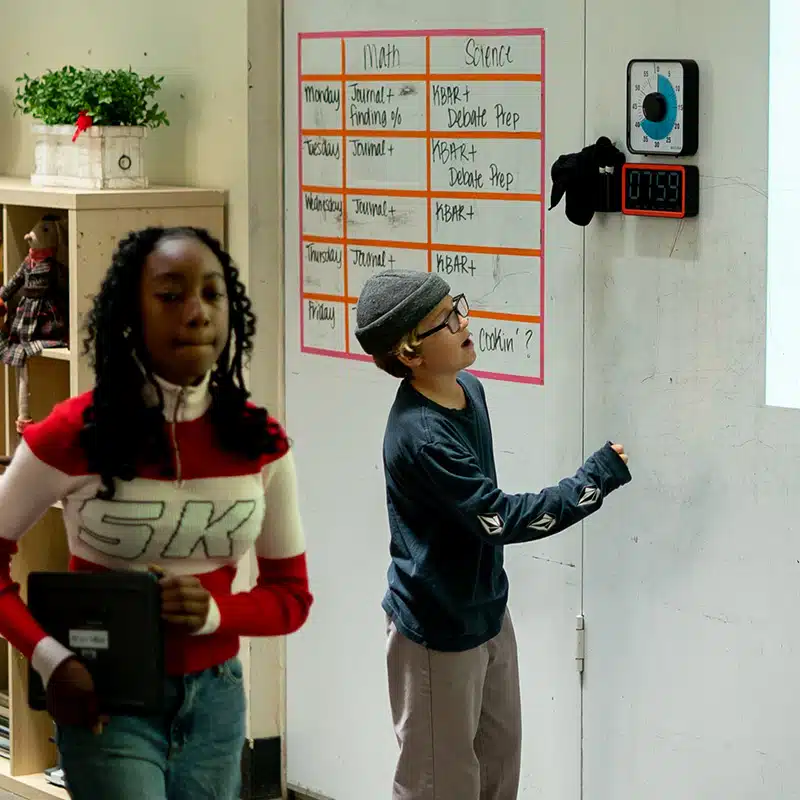
It started with a simple idea: to bring a 60-minute visual countdown clock into my class. What began as a classroom management tool turned into something bigger—a small shift that made the room more predictable, accessible, and humane for every learner.
I used to think I was too cool and progressive to give quizzes. But a quiz tells you whether students are learning what you think you are teaching them, quickly and precisely. It’s a perfect data-collection tool: If students learned what you wanted them to learn, they will answer the questions correctly. If they haven’t, they won’t, allowing you to provide targeted help to specific students based on which questions they get wrong. The only caveat is that you shouldn’t grade the quiz, because attaching a grade to a quiz ruins your data.
You don’t need to design a collaborative project in order to take part in a collaborative design process. 
A growing number of schools around the world are doing Student-led Conferences, or SLCs, instead of parent-teacher conferences. The difference, as the name implies, is that an SLC flips the structure, so the student takes the lead in the discussion (with support).
This observation guide can help educators and students get a better sense of when and how they observe evidence of deeper learning
Skip to content