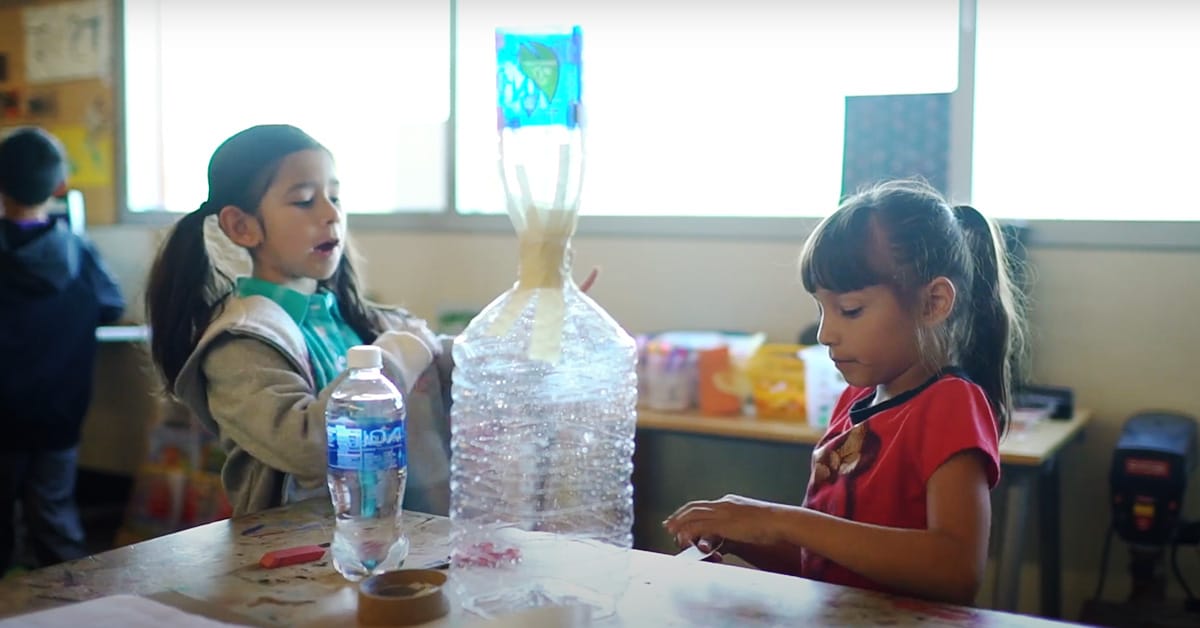
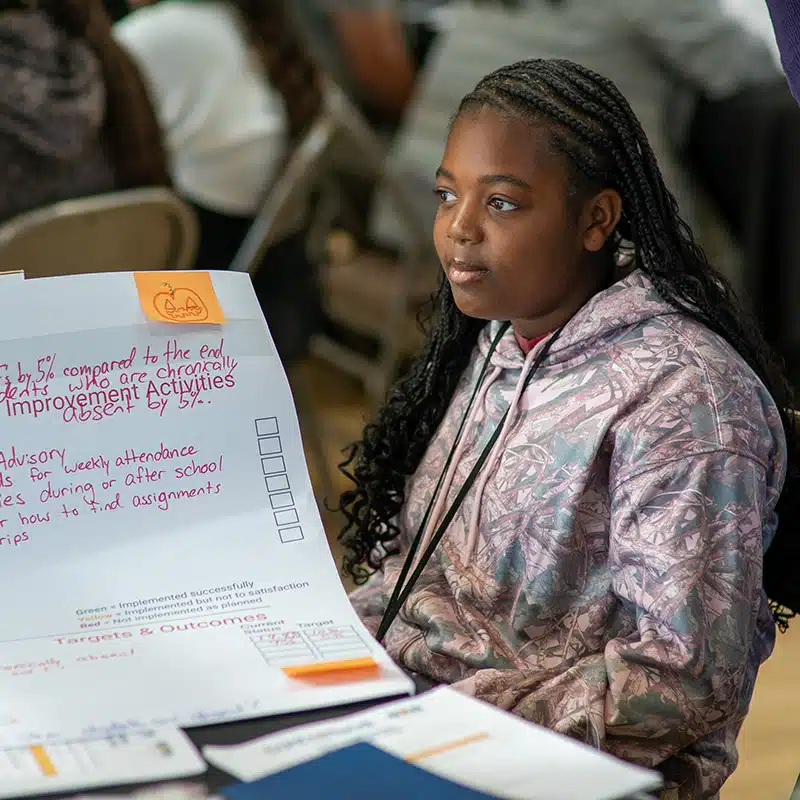
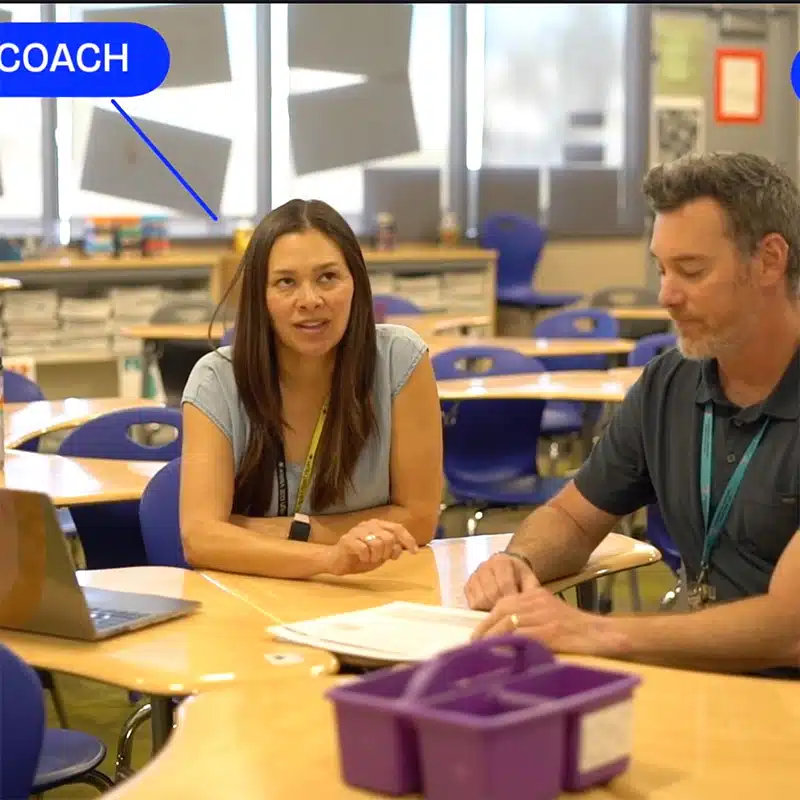
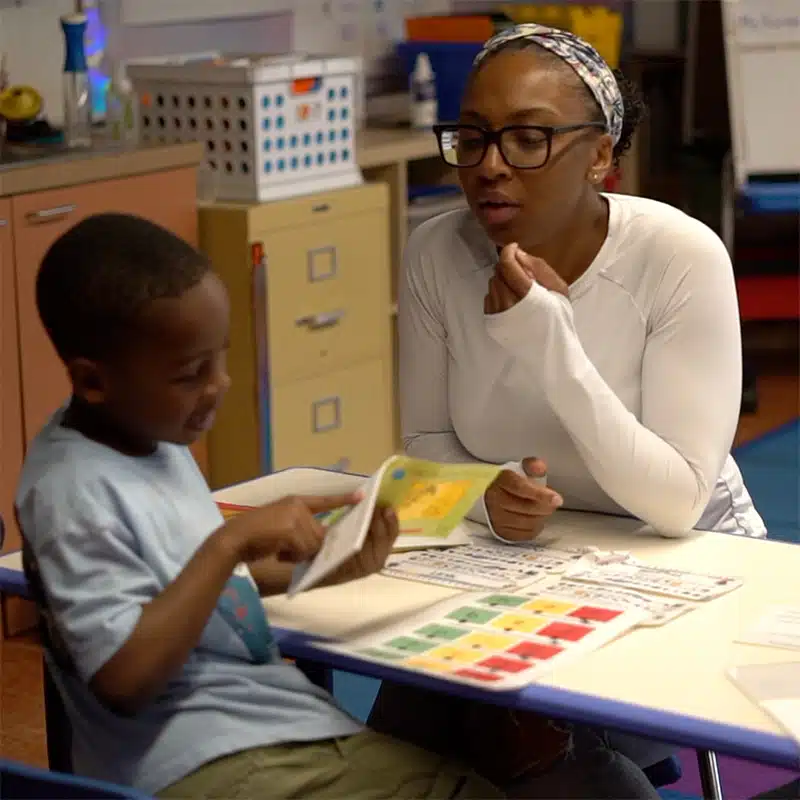
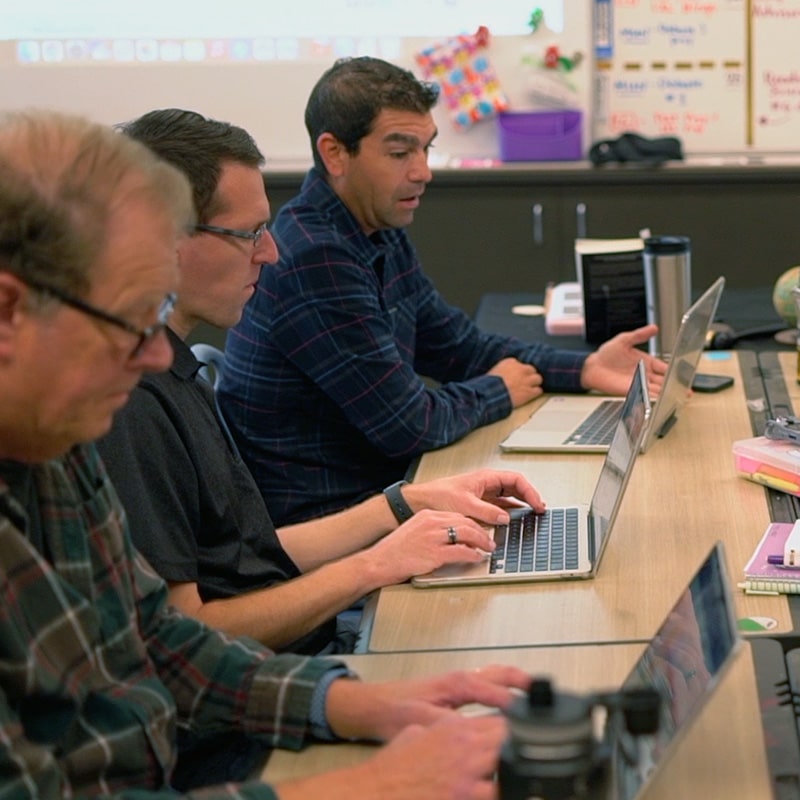
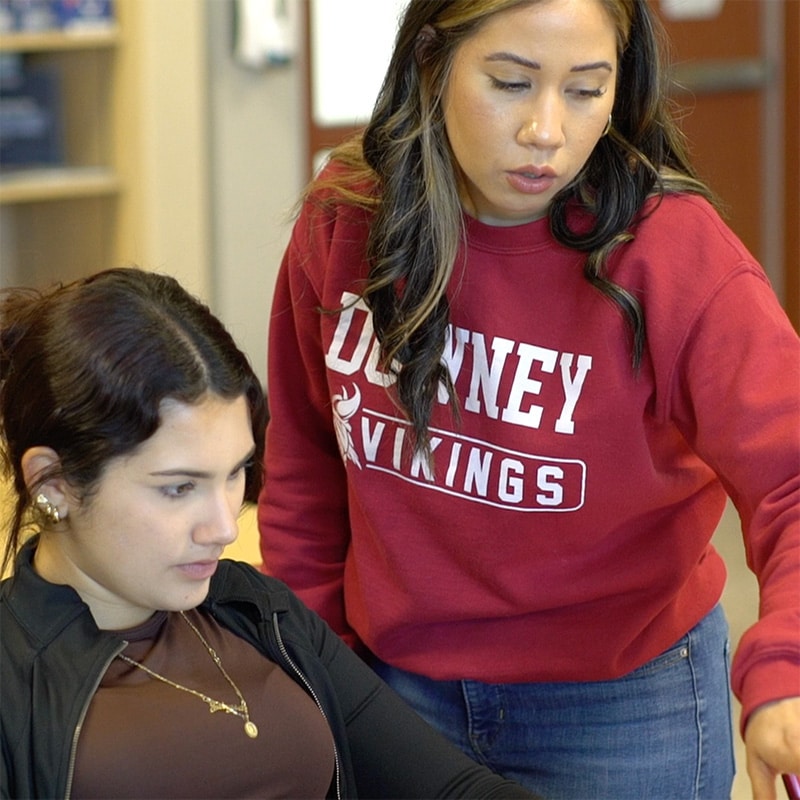
Adria Steinberg describes how observing cues such as the quality of student and teacher conversations, student classroom involvement, and student representation can be used by faculty to access and improve the level of authenticity and comfort in an academic environment.
Video Transcript
You know, looking for cues in a school as you walk through, about learning, about students, identity, and so on. There’s everything from looking at what’s on the walls obviously of a school. That tells you something. It doesn’t tell you everything, by any means. But you can see if you go into a classroom– I think you can get pretty good at sensing pretty quickly if students are bringing their real selves into that classroom, if they feel safe enough to kind of be who they are in that classroom, and if the teacher is bringing his or her real self in there.
How people treat each other in the hallway says something about their respect of the environment or how safe people feel in the environment. And then, of course, there’s the classrooms. I mean, for me, I always look immediately at how passive are the students? Are they sitting there passively? Are they spacing out? Is there an active role for them?
Do they have voice? Does it seem like they have voice in the classroom? Not just one or two students, but is there a way that people are being invited in to share in the learning that they all feel a part of it in some way? And also in a classroom, you look for signs that something dynamic is going on there, whether it’s based on student work that might be out and around, or what kinds of books young people have in their hands or don’t. And just the level of conversation and discourse. Are people struggling with the kind of issues that seem to matter to them when they’re talking?