I came into improvement work as a skeptic.
I don’t know…something about it felt rigid. Stuffy. Like a language that didn’t belong to me.
It lived in dense books and conference rooms, clean, square, controlled, and disconnected from the way I understood people, culture, and growth.
I pushed against it for years. Against the jargon. The frameworks. The packaging. Trying to reconcile my responsibility to implement something that didn’t feel natural.
Until I realized something:
Improvement isn’t just a method. It’s culture.
It’s rhythm. It’s people figuring out how to move better together.
And once I saw it that way, everything started to shift.
Because the truth is what we now call “continuous improvement” has been alive in the DNA and lived experience of African and Indigenous diasporic communities long before it was ever named, studied, or Columbusized.
Before It Was Named, It Was Lived
Think East Flatbush. Crown Heights. Brooklyn in the ’80s and ’90s.
On any given block, improvement was happening in real time.
When an elder called a meeting because the front door lock was broken, and they couldn’t rely on the landlord to fix it, that was a diagnostic review. People rallied together, named the problem, and figured out what to do next.
When your neighbor Ms. Beverly started a SuSu, everyone putting in $50 to build collective financial momentum that could fund a furniture set or a down payment, that was a strategy for resource allocation and shared investment.
When the block association tested new ideas for community engagement, adjusted what didn’t work, and came back together to reflect, that was iteration.
And when they celebrated wins with a block party or a BBQ, that was accountability and reflection wrapped in joy.
No one called it a PDSA cycle.
But that’s exactly what it was.
The Cypher Was Always a Lab
Hip-hop taught the same lessons—just with more style.
The cypher was a sacred space for improvement.
Everyone brought their 16. You tested your flow. Adjusted your cadence. Listened, responded, sharpened.
Feedback was immediate. Sometimes brutal. Always honest.
But it was rooted in love—for the craft and for each other.
Crews didn’t move as individuals. They moved as a unit. One person’s growth elevated everyone.
That was alignment.
That was accountability.
That was collective measurement of progress.
We didn’t need a framework to tell us how to get better.
We were already doing it.
When This Shows Up in Professional Spaces
This isn’t just theory. I’ve seen what happens when this way of improving is made intentional in professional spaces.
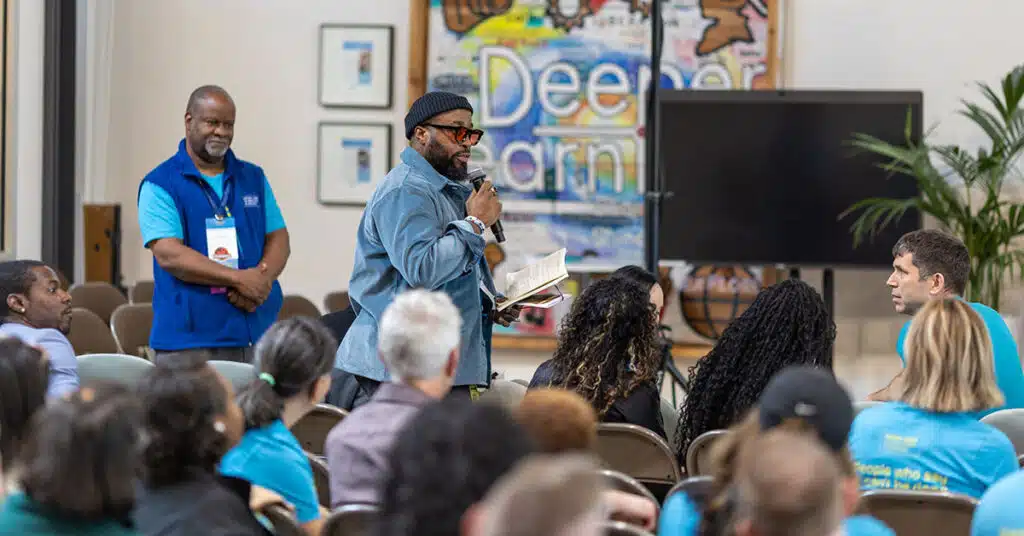
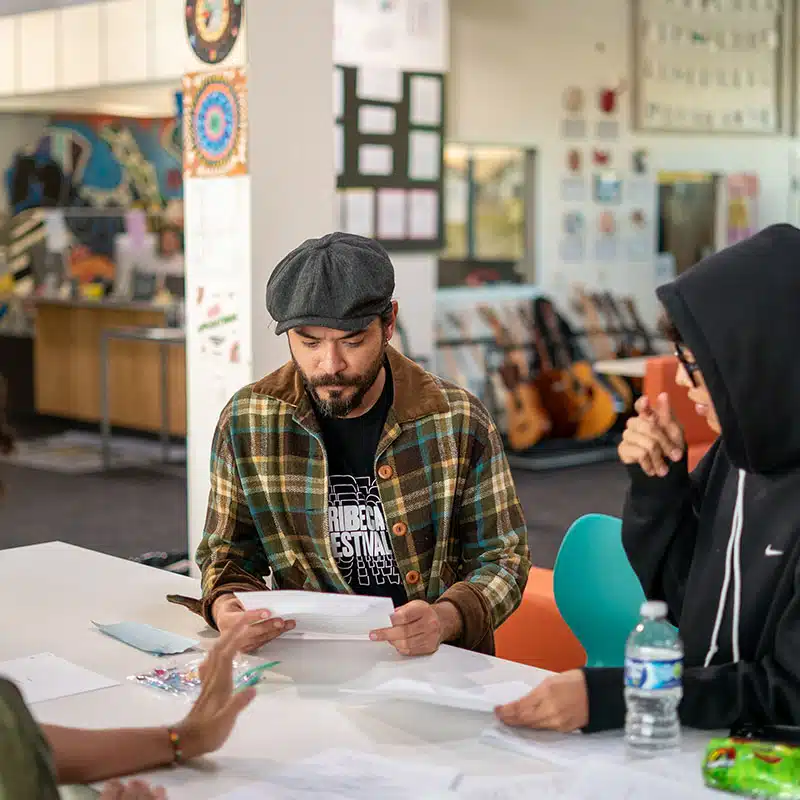
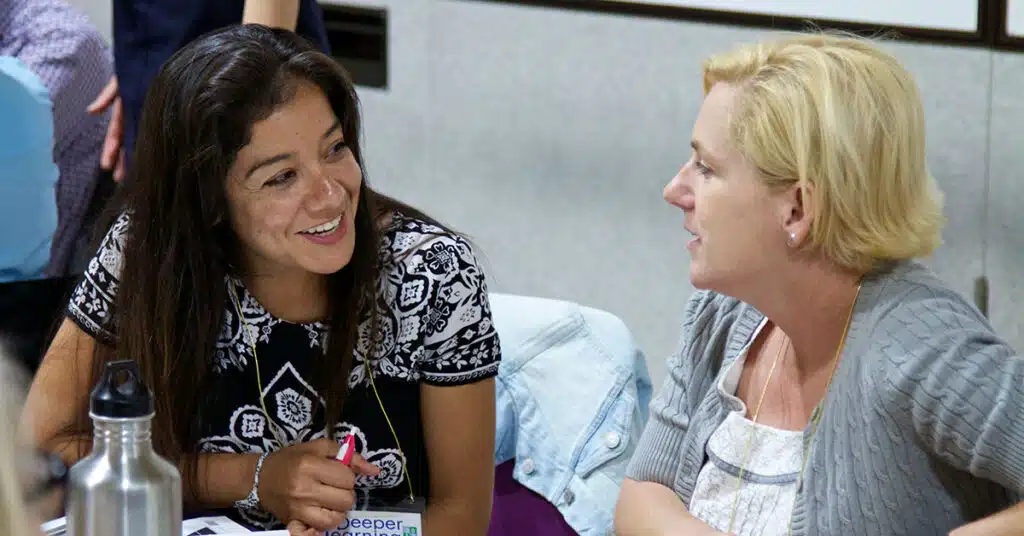
At Deeper Learning, I facilitated a session where we used games and shared experiences to help educators understand the process of improvement. We didn’t start with frameworks, we started with people. Their instincts. Their collaboration. Their ability to test and learn in real time.
What emerged wasn’t confusion. It was clarity.
People realized they already knew how to do this work.
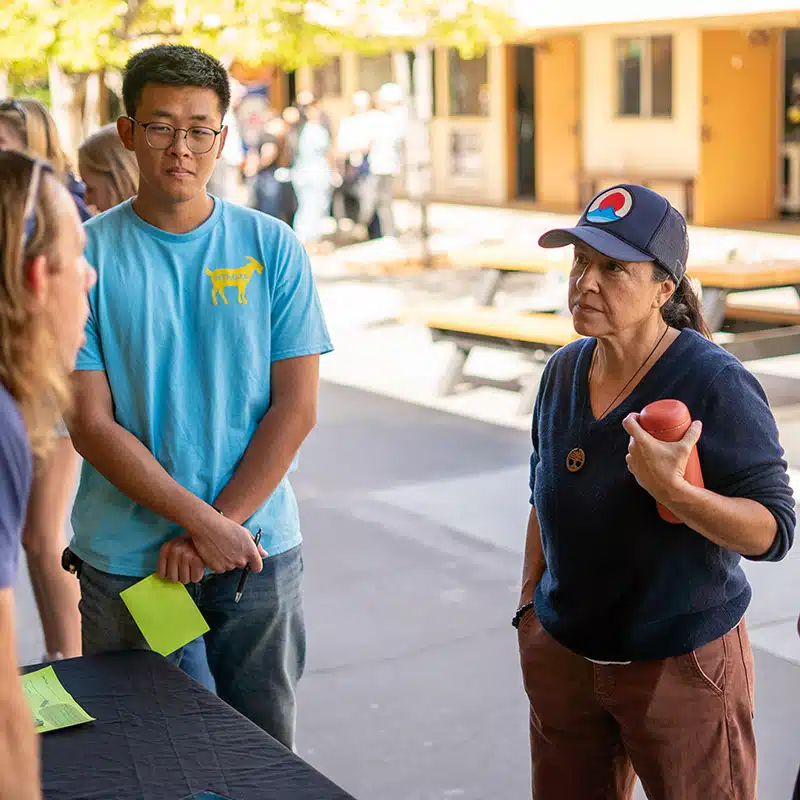
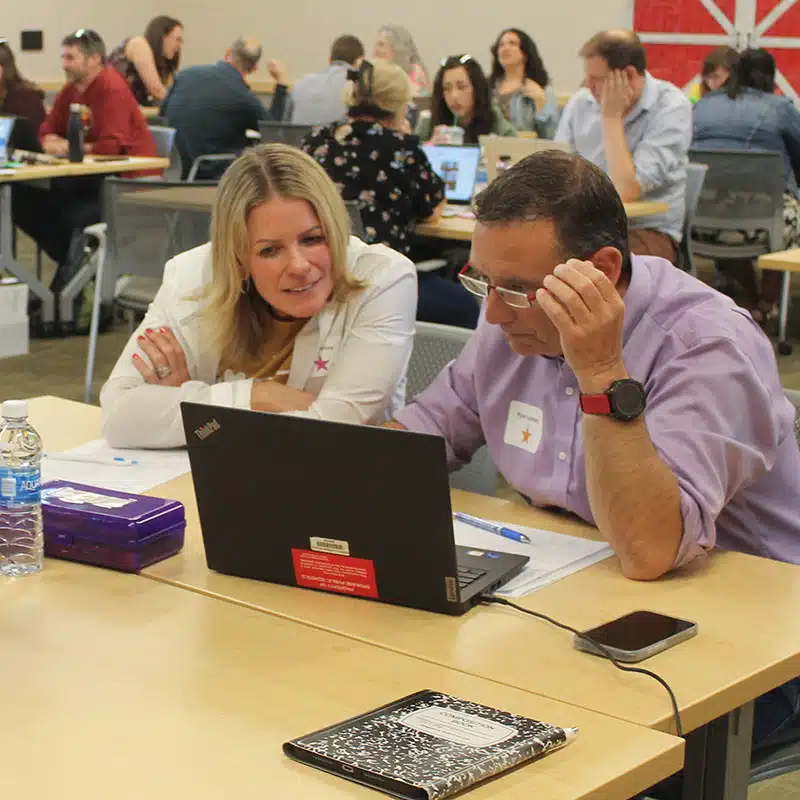
I saw it again while serving as a back-to-back advisor for a chronic absenteeism problem of practice at the Summit on Improvement in Education. We brought together educators from across the world to grapple with the same challenge.
What moved the work forward wasn’t just tools or protocols, it was the community. The willingness to be honest, to share, to test ideas together, and to stay committed to the problem as a collective.
In both spaces, the breakthrough wasn’t learning something entirely new.
It was recognizing what was already there, and building on it together.
So Why Does It Feel So Rigid Now?
Somewhere along the way, improvement got packaged.
It became something you had to learn instead of something you could recognize, something as familiar as a head nod when passing someone on the street.
It started to feel like you had to choose:
- Between joy and rigor
- Between culture and measurement
- Between being human and being effective
But that’s a false choice.
Teams don’t have to sacrifice humanity to get results. They don’t have to deny or downplay who they are.
In fact, the opposite is true.
The best improvement happens when people feel seen, valued, and connected to the work.
When they understand not just what they’re doing, but why it matters, and who it impacts.
Belonging isn’t separate from improvement.
It’s what makes it work.
Research Confirms This, But Didn’t Invent It
The field of improvement science tells us that:
- People learn best when they learn together
- Small tests of change lead to meaningful results
- Systems improve when problems are shared, not isolated
Scholars like Bryk, Gomez, and Wenger have studied this for years.
But for many of us, this isn’t new information.
It’s familiar.
Because we’ve lived it.
Improvement Is the Work of Community
At its core, improvement is about how people come together to solve problems.
It’s about:
- Trust
- Shared responsibility
- Collective learning
- And the belief that we can get better, together
It’s the same energy that lives in a Crew circle.
The same energy at a Sunday brunch over Spades and Dominoes.
The same energy in a cypher.
It’s not separate from culture.
It is culture.
It Never Did
If we want real, lasting change in our schools, organizations, and systems, we don’t need to invent something entirely new.
We need to recognize what already exists.
We need to expand our understanding of what “counts” as improvement, and make space for the many ways it shows up across communities, languages, and lived experiences.
Because improvement doesn’t belong to one field, one framework, or one way of knowing.
Improvement isn’t owned by institutions.
It lives in the way people:
- Take care of each other
- Solve problems together
- Test what works
- And keep going
Long before it was written down, it was practiced.
Long before it was studied, it was lived.
Improvement was never new.
We just started calling it something else.