At Avenues The World School in São Paulo, Brazil, every project cycle begins with a key concept that sparks curiosity and guides inquiry. Founded in New York in 2012, Avenues was created with a mission to redefine schooling for a fast-changing world. From this global mindset, the São Paulo campus opened its doors in August 2018, offering a truly transformative educational experience. Today, the campus welcomes a vibrant community of over 1,200 students from 18 months old through twelfth grade, and is energized by a culture of innovation, creativity, and state-of-the-art technology.
Our school curriculum is designed around interdisciplinary project-based learning. For first graders, the first big idea is community—the perfect theme as children transition from kindergarten into elementary school, forming new friendships, adapting to challenges, and building a stronger sense of identity.
With this in mind, all four first grade classes launched into a shared project called Better Together, guided by the essential question: What makes up a community?
While all classes shared the same big idea, each group followed its own inquiry shaped by children’s interests. Teachers collaborated in weekly planning sessions to design common learning experiences while allowing each class to chart its unique path. Together, they aligned on core goals: that every student would explore how communities function, practice collaboration and respect, and ultimately demonstrate the impact of their own contributions.
The project was designed to enable every student in every class to meet the following learning outcomes:
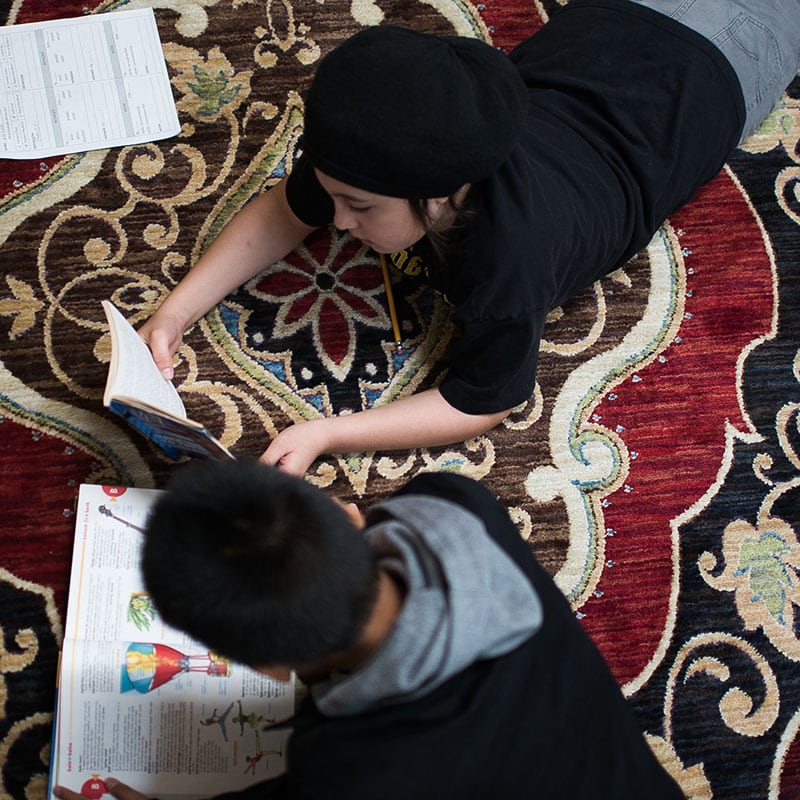
On the first day, rather than defining community, teachers filled the classroom with photos and videos of people working together—athletes, musicians, and builders. Students observed and discussed the following questions:
“What are they doing together?”
“Do people have different roles?”
At first, answers were simple: “They’re cooking.” “They’re playing basketball.” But soon, students began noticing details. “She’s not dancing—she’s playing the piano so they can dance,” or “That man isn’t playing, he’s the coach.”
Students captured these using graphic organizers to identify who the group was, what they were doing, and the roles involved. Over time, words and phrases like responsibility, respect, and helping each other appeared in their notes. As second language learners, students also reflected on vocabulary. They could describe actions but not always name the collective (e.g., “orchestra”). Naming these groups became a powerful step toward understanding that people belong to something larger.
By the end of this phase, curiosity was running high. Together, students unpacked the essential questions:
These observations led them to the first act for framing the inquiry. They voted on which communities they wanted to study more deeply: builders, firefighters, cooks, or scientists.
Once their communities were chosen, students generated questions to guide their research. Teachers facilitated a lesson on how to ask effective questions. Because many students at this age are just beginning to learn to write, at times they practiced asking questions orally while teachers documented their ideas through shared writing. In other moments, students had more autonomy and used scaffolds to write their own questions independently.
It was interesting to observe that students often needed teacher support to move from broad, general questions to more specific ones. Since Avenues is an English-language school in a Portuguese-speaking country, most students are second language learners, and this process also provided a valuable opportunity to explore language structures for expressing curiosity—such as wh- questions, auxiliary verbs, and word order.
Next, students co-planned how to find answers to the questions, identifying a variety of ways to explore—through books, guest speakers, and fieldwork. Teachers modeled how to plan research using think-alouds and collaborative discussions. Prompts like, “If we want to learn more about cooks, what should we do next?” invited students to think critically and organize their steps. It was interesting to observe students realizing that there are different ways to answer a question. They can talk to people and experts, visit places, read articles, etc. Ideas quickly grew. Students proposed that they interview the kitchen team, visit the school kitchen, or even tour a restaurant. With the help of families and community members, these ideas came to life, transforming learning into an active, authentic process.
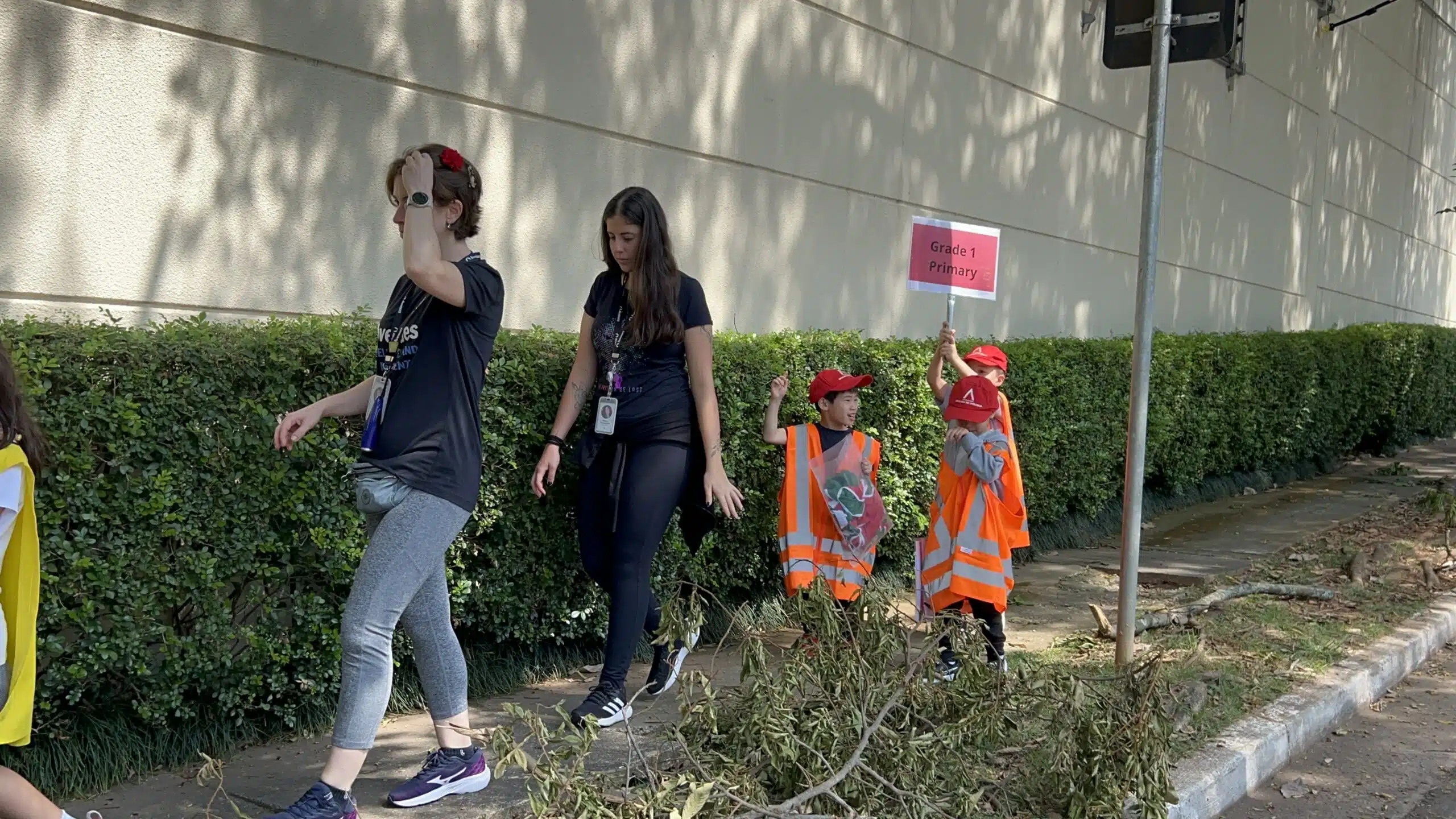
Responding to students’ suggestions on interviewing experts and visiting places connected to their questions, each class carried out its own fieldwork:
These experiences connected classroom learning to the real world and strengthened relationships among students, teachers, and the wider community.
As the project deepened, students co-planned research steps, conducted interviews, and synthesized findings. The focus gradually shifted toward taking action—creating something tangible that reflected what they had learned about teamwork and responsibility.
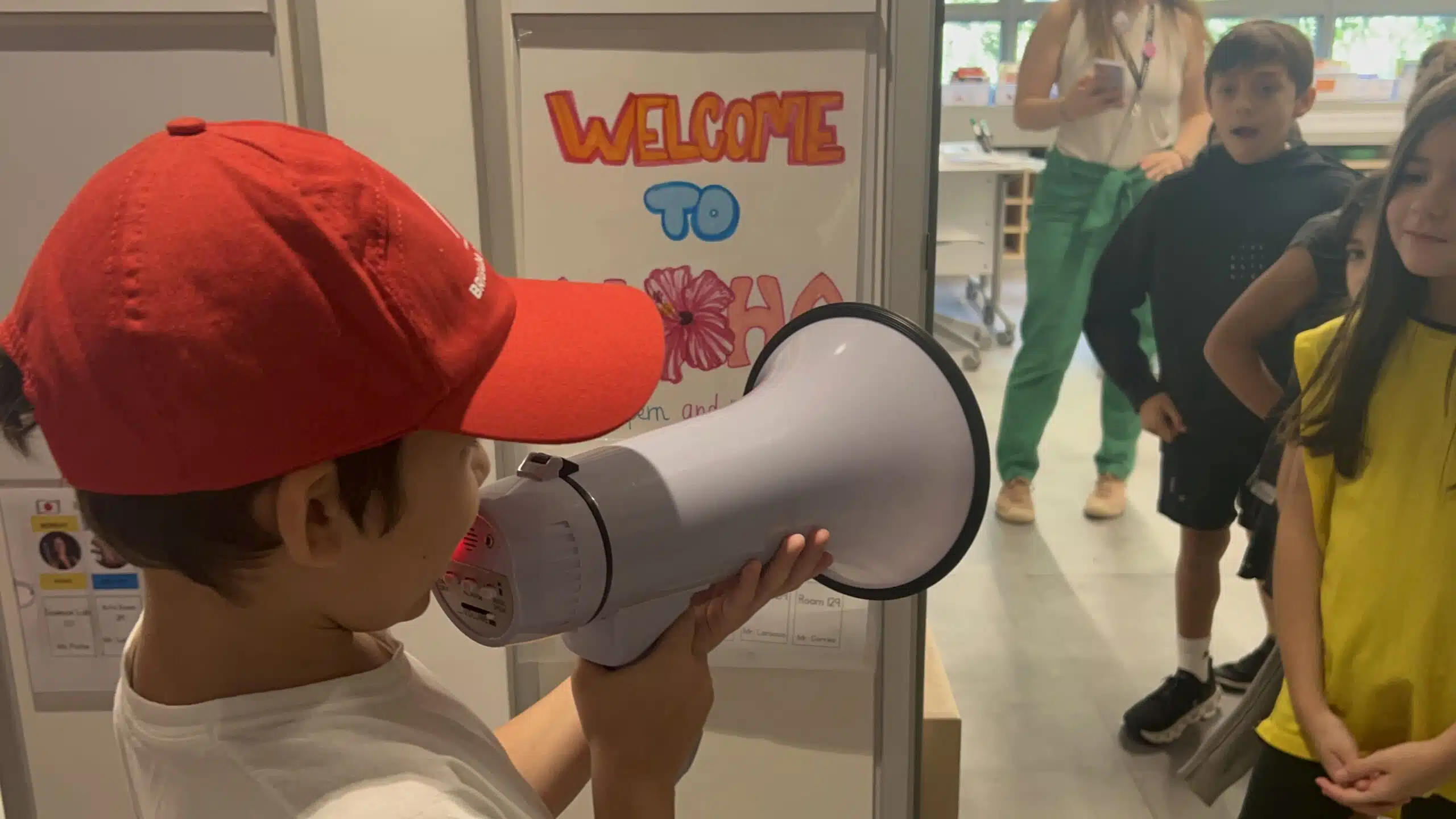
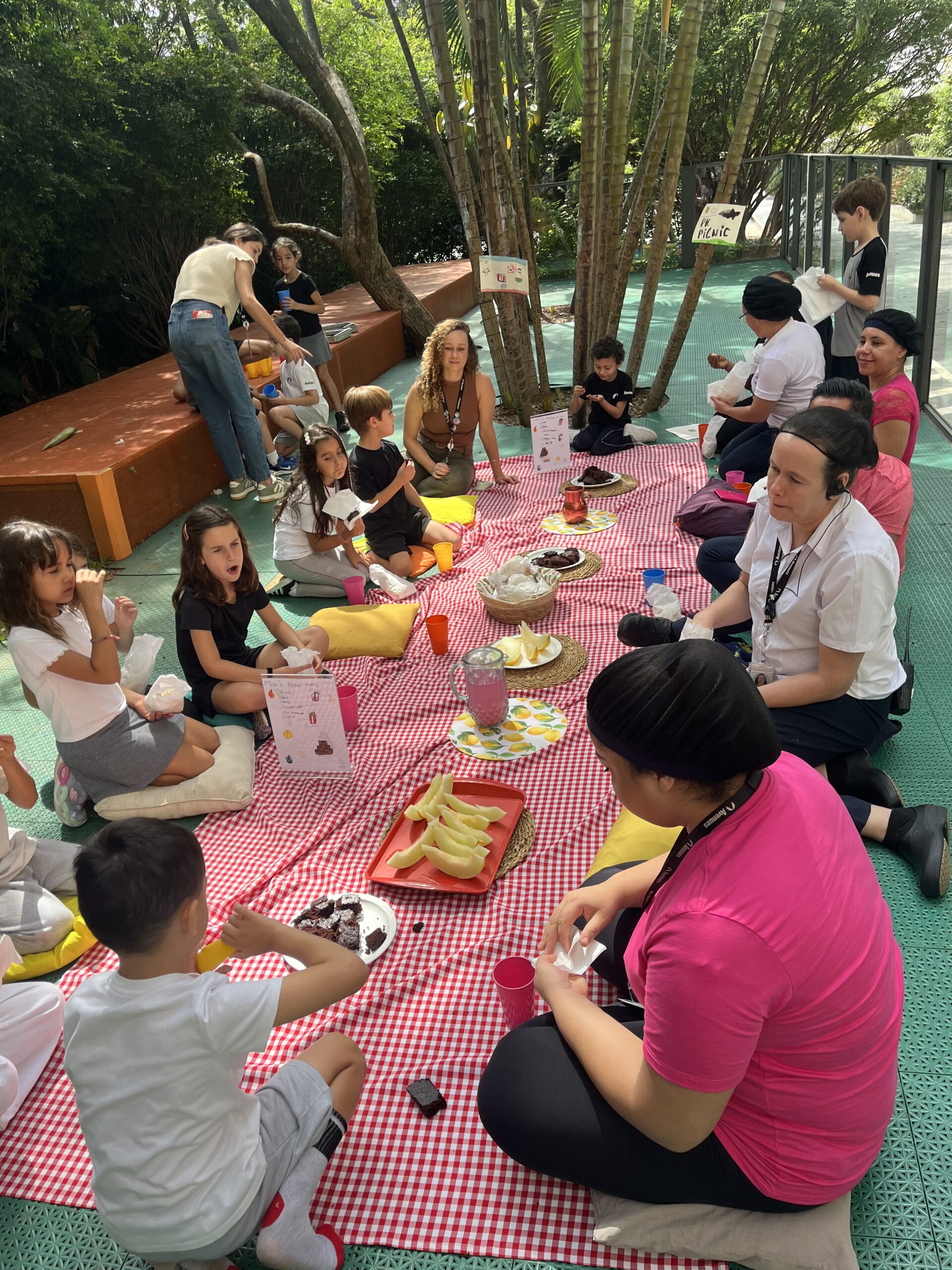
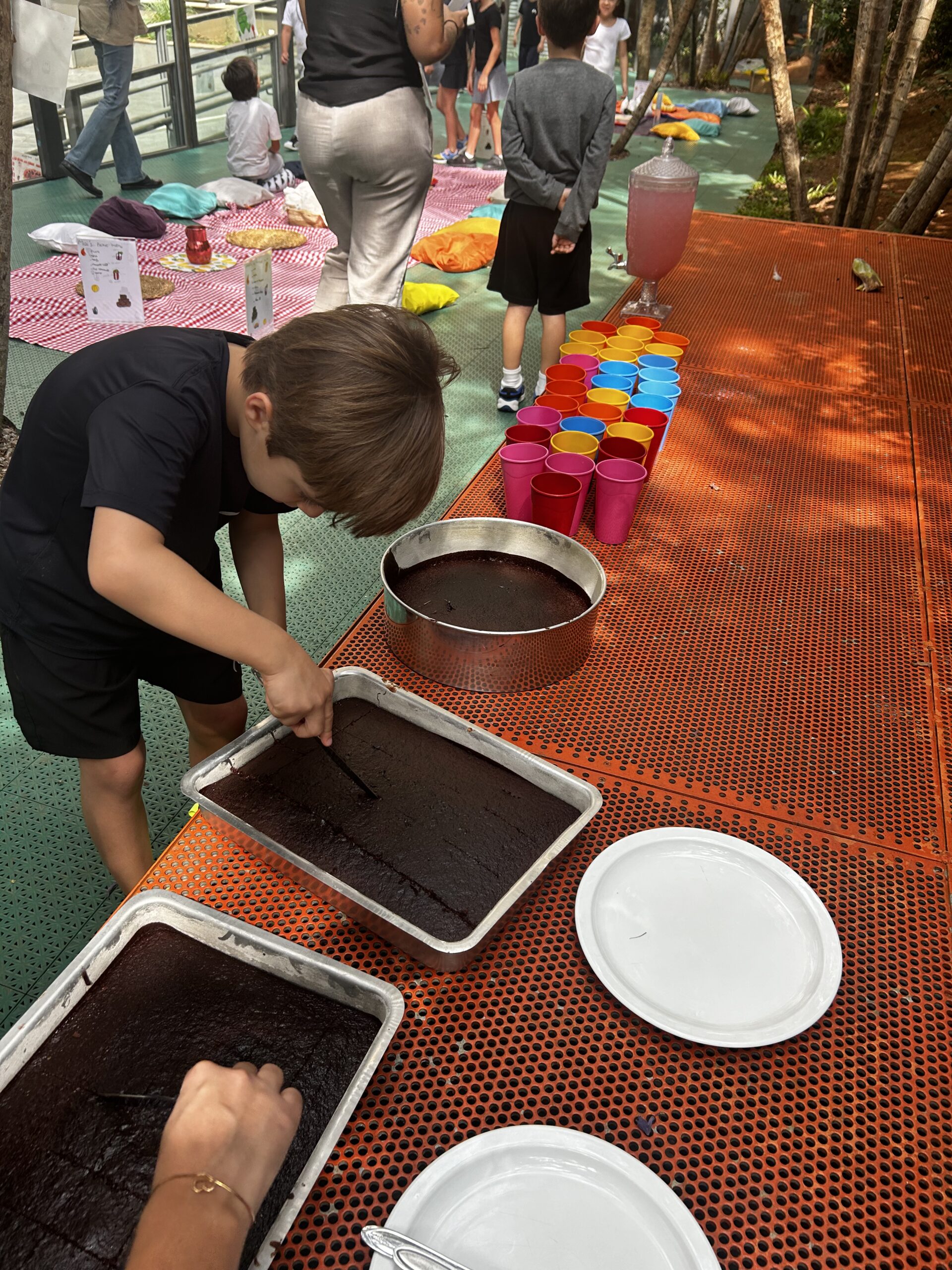
In their final piece of work, each class decided to embody the community they studied:
These culminating experiences reflected the outcome, “Understand the impact of one’s actions on a community.” Students were not just learning about collaboration—they were living it.
Beyond just studying vocabulary, the project’s overriding goal was to allow children to build understanding through experience—by observing, questioning, playing, and acting. Students learned that communities are more than just groups of people; they are systems connected by shared goals, respect, and a sense of belonging.
Through studying scientists, builders, firefighters, and cooks, they discovered that communities thrive when each member contributes their unique skills while supporting others. They also realized how much one person’s actions matter—a mistake, an act of care, or a job well done can shape the entire group’s outcome.
Ultimately, students began to see themselves as essential members of their classroom community. They learned that being “better together” isn’t just a project name—it’s a mindset. Collaboration, empathy, and responsibility are not abstract values but lived experiences that make a community thrive.
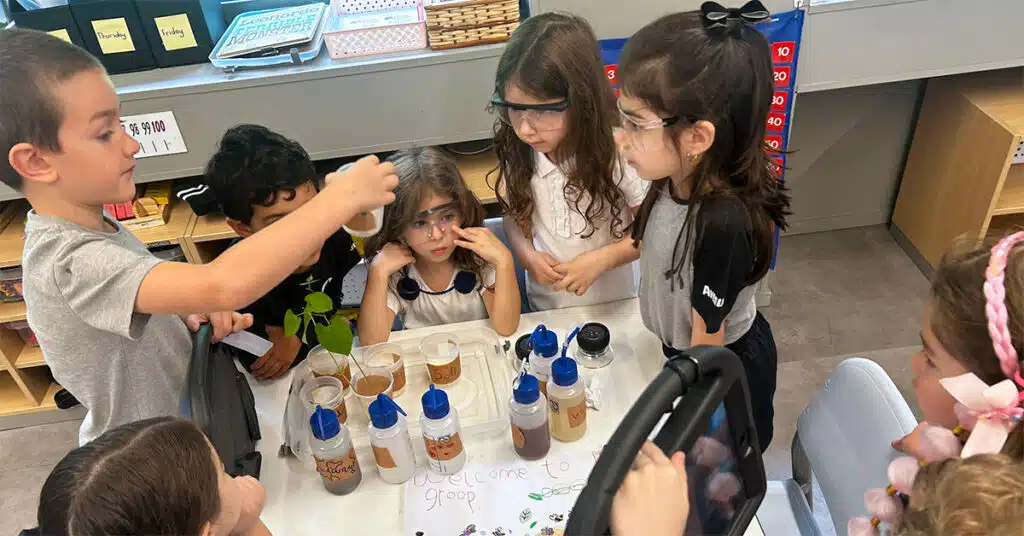
As teachers, we observed just how powerful intentionally scaffolded student agency can be. When we say students co-planned the project, it wasn’t simply a circle of students raising their hands and sharing ideas—it involved the use of instructional and thinking routines that ensured everyone’s participation and made their thinking visible. Scaffolding happened at different levels—individually, in pairs, in small groups, and during whole-class discussions. Learning unfolded across all disciplines—from literacy, as students learned to write key words connected to the project, to science, as they conducted experiments to discover the perfect lemonade recipe for the cooks’ final product.
“The Better Together project was a very special experience for our students. What stood out the most was how much ownership they had. Being able to ask questions that guided the inquiry and make decisions alongside us gave them a true sense of agency and purpose. They also discovered the importance of working together and valuing each other’s strengths. My class decided to dive deeper into the community of scientists … They divided themselves into groups to research each question. The highlight of the project for me was watching them step into the role of scientists that they naturally are. They asked questions, formed hypotheses, investigated, reflected, and found some answers—truly living as scientists throughout the journey. It was beautiful to see how much confidence, empathy, and sense of belonging they gained by experiencing what it really means to be part of a community.”
— Stephanie Halpern, first grade teacher
“I think the Better Together project was especially meaningful for first graders. Even though the project already has a set theme, students have the opportunity to actively participate in each stage. For me, it strikes a nice balance between the teacher’s voice and the students’ voices, and it’s also a wonderful project for developing social-emotional skills. By choosing one group of people to focus on, students can deeply explore what it means to be a community and to be part of one. Last year, my class chose to learn more about construction workers. They discovered how important it is for each worker to do their part, and how they plan and execute construction projects. The students were fascinated, some even visited construction sites outside of school to learn more and sent us pictures of workers they observed in their neighborhoods.”
— Cassia Baldez, first grade teacher
We want to thank all teachers at Avenues The World School, São Paulo, who are part of this project: Aline Aguiar, Carollina Lacerda, Cassia Baldez, Cyane Fleck, Juliana Correa, Luis Larocca, Stephanie Halpern, Maria Antonia Ayres, Mariana Nogueira, Marina Braga, and Stephanie Halpern.