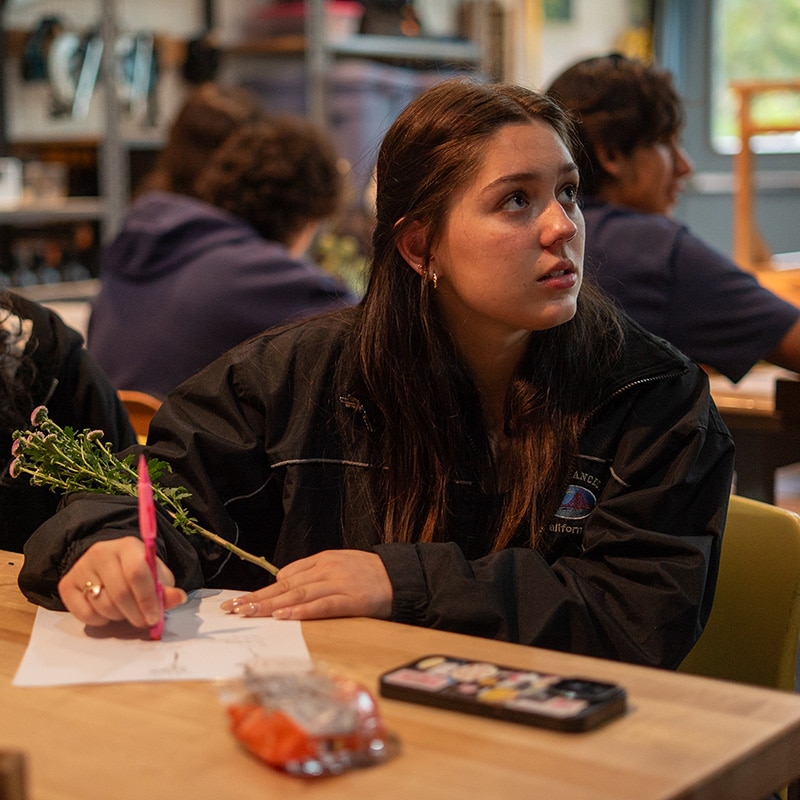
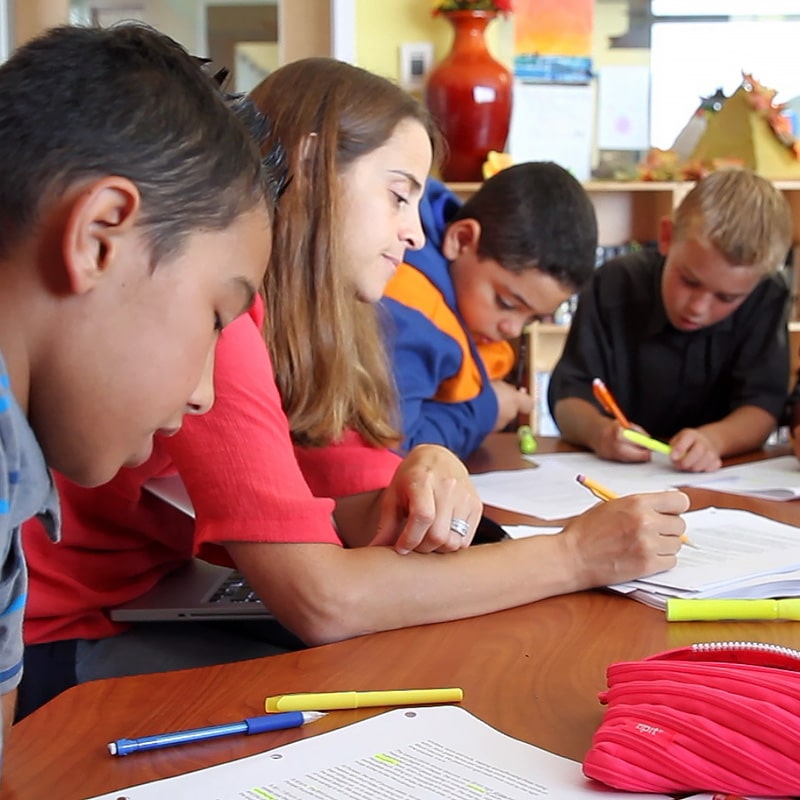
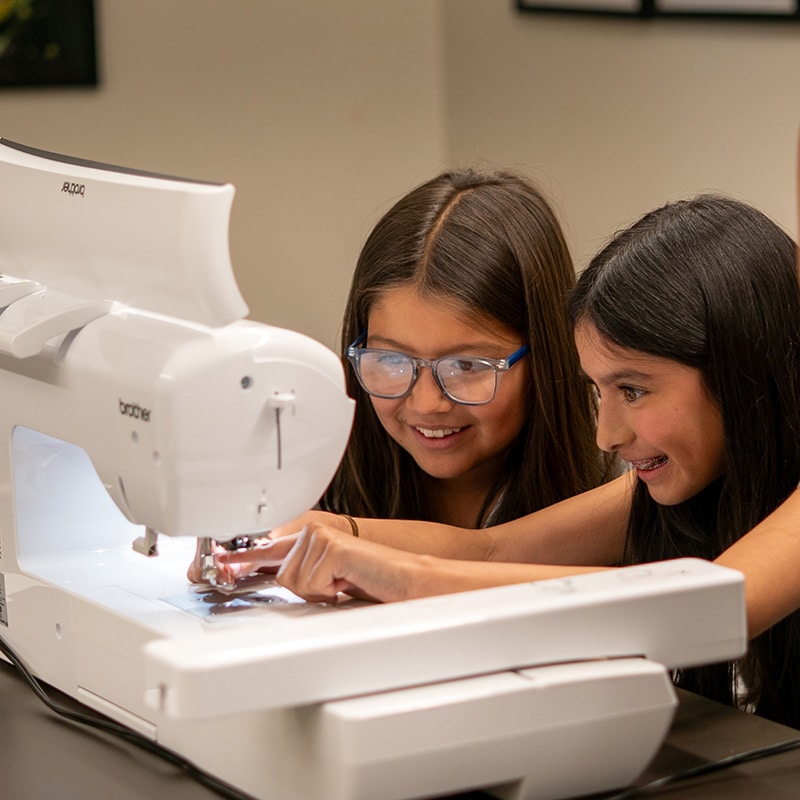
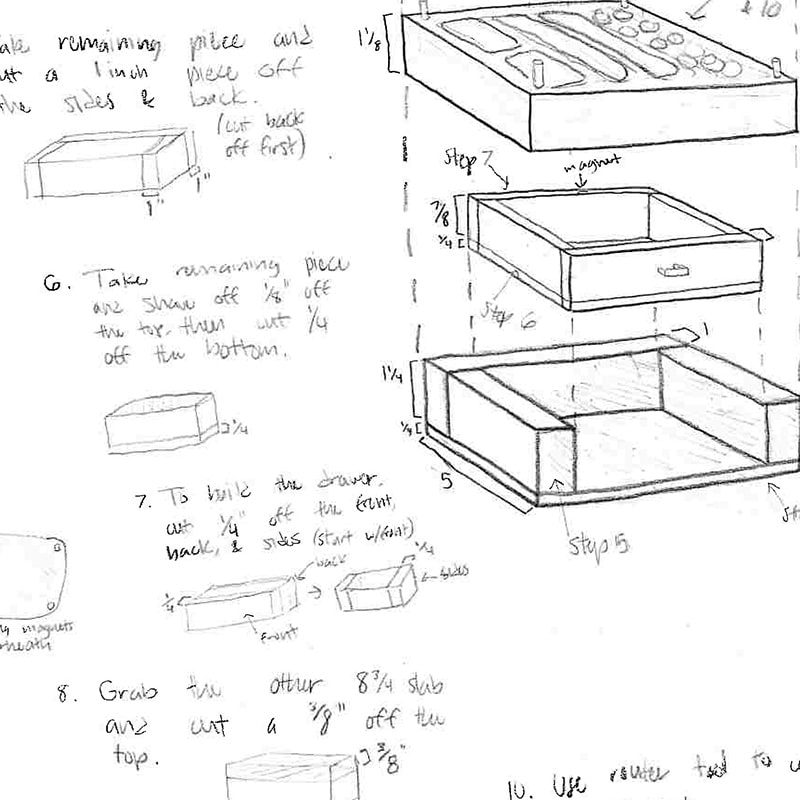
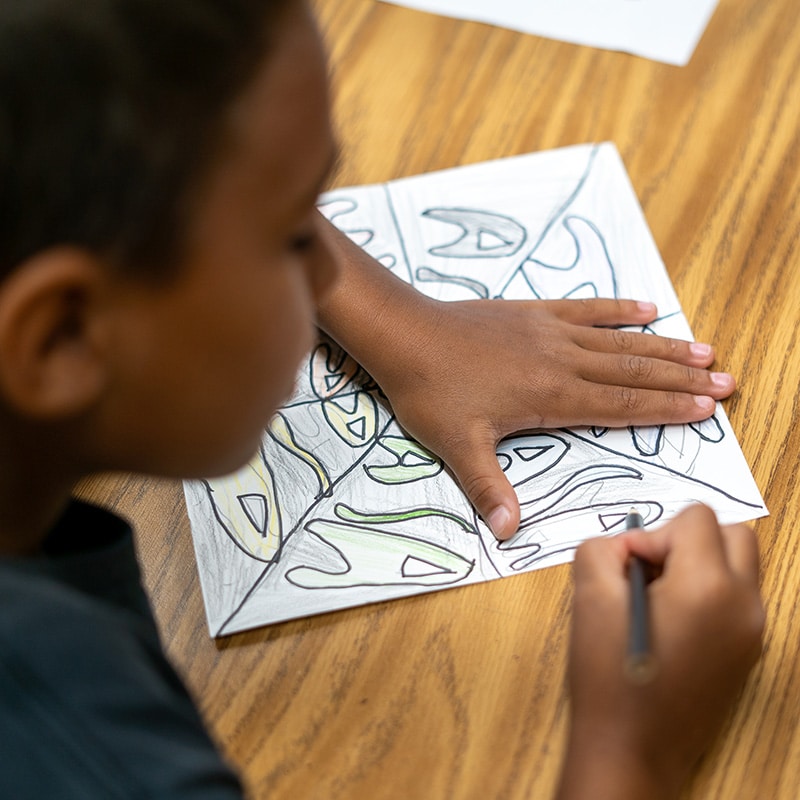
The product, and the audience it is intended for, provides a focus for student work from the beginning, and students continue to develop it over multiple drafts, until they have created something worthy of exhibiting.
Designing the Essential Question in Project-Based Learning
Essential questions are open-ended points of inquiry—relevant to academia, students’ lives and the world beyond school—expressed in student-friendly language.
Connect Learning Goals & Products in Project-based Learning
Projects come to life because students feel an authentic need to master thoughtfully selected learning goals in their quest to create meaningful and beautiful work.
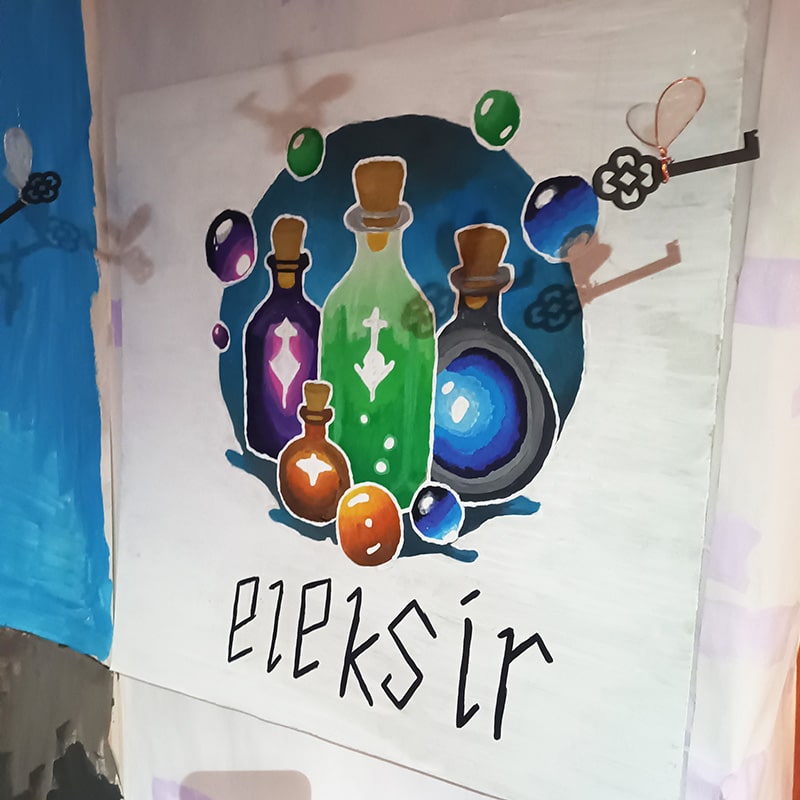
Imagine peering down an ordinary school hallway, clutching an entry ticket that was sent to you. You turn a corner and stop in front of a wall. There, you spot a concealed opening and step through to Diagon Alley, the hidden magical market from JK Rowling’s Harry Potter novels.